
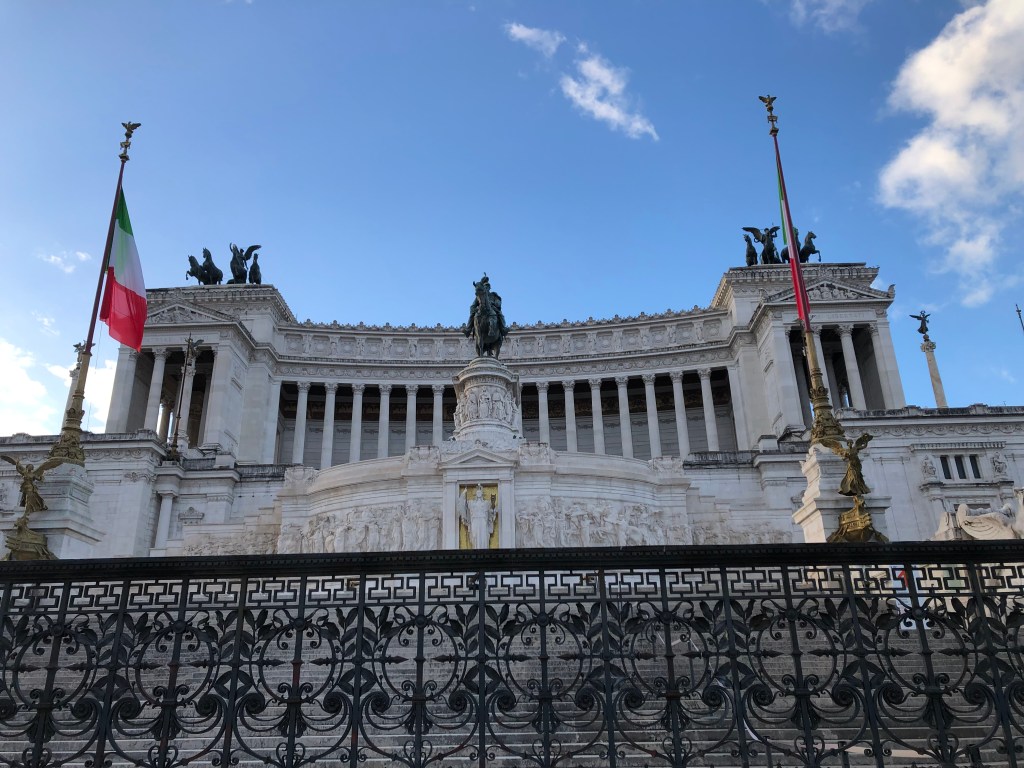
Rome is truly a magnificent city: the architecture is beautiful and grandiose with oversized churches built from Travertine stone in shades of grey and white and beige; long bridges over the River Tiber, wide roads to cross.
Everywhere you turn and look up there are details to notice: highly decorated stone columns, statues, smooth marble plaques engraved with the names of the streets.
At ground level there is a maze of orange and yellow toned side streets where you can find the local trattorie, often with tables and seating outside, where you can eat local, homemade dishes.
And in and among this city there is a wild vegetation: a fig tree sprouting up from the walls of a house; poppies and daisies growing in some ancient ruins and finally there are the maritime pines so typical of warmer climates.
It’s busy and full of life. The people are friendly and have a beautiful melodious accent.
It’s a city that loves sporting events so all in all it’s the perfect setting for the 30,000 runners who take part in the city marathon.
Sooner or later, you’re going to want to run here so let’s see how it’s done.
Training Schedule During The Year
This is Mr CA’s programme and as you can see, he’s very disciplined; but everyone has their own story. And their own method. You need to find yours.
At the athletics track every Tuesday and Thursday from 8-9pm with other runners for stretching, sprints and laps of the track.
A morning run of 10-12 km during the week.
A longer run of 20 km at the weekend.
A gym session most days: weights, squats and leg curls.
Friday Evening
We took the Frecciarossa high-speed train from Vicenza, and with one change at Padova, arrived in Roma Termini station around four hours later. In Rome it was 5 degrees warmer and we could hear the crying of the seagulls overhead. We were in a new city.We checked into our hotel room at RELAIS LUXURY CORSO on the Corso del Popolo in the historic centre. It’s one of the main roads cutting through the city with the cenotaph of Piazza del Popolo at one end and the Altare della Patria (Altar of the Fatherland) at the other.
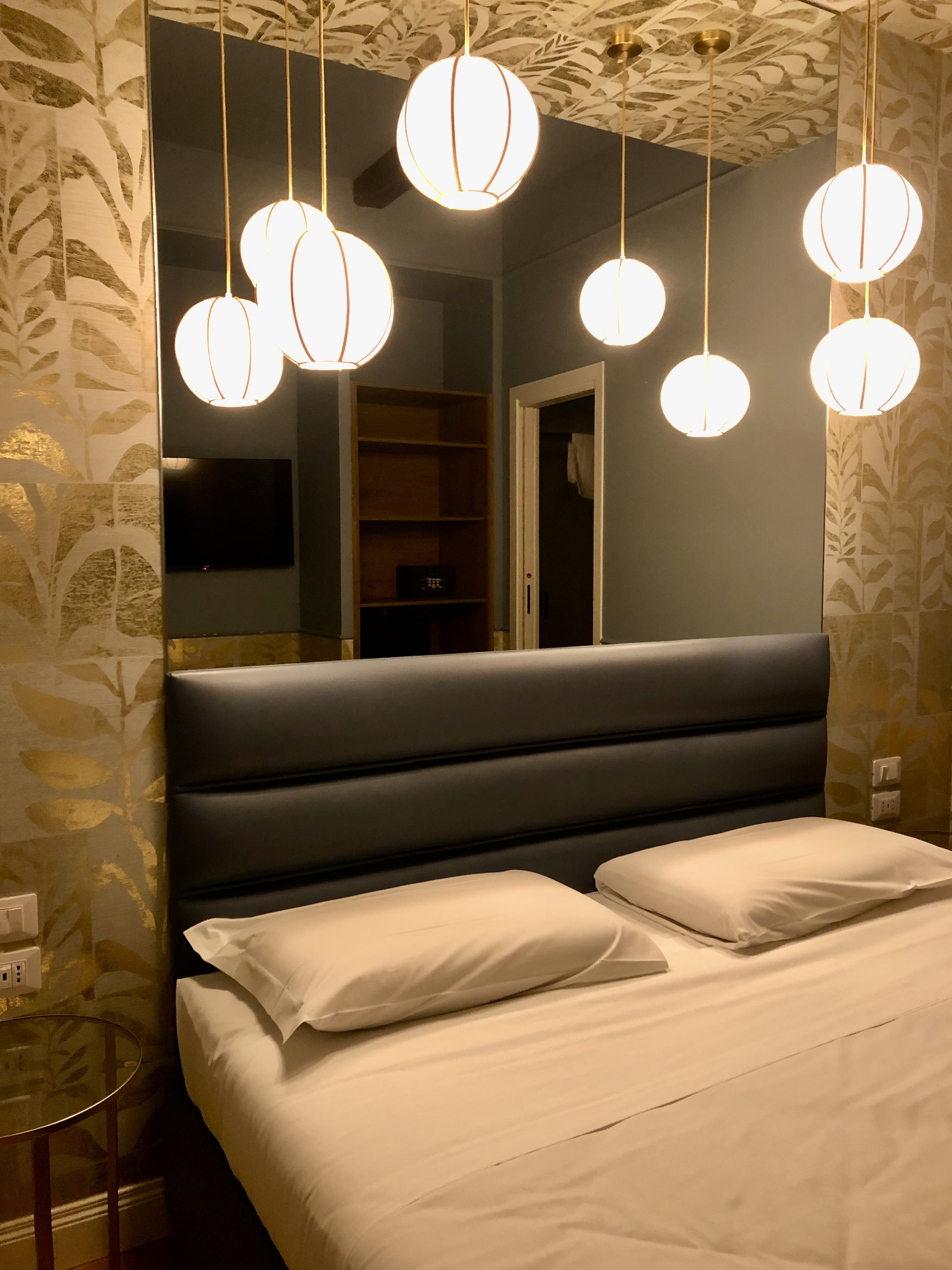
Although the Corso itself can be quite noisy, the rooms are tucked away at the back of the building and we slept really well.
Saturday
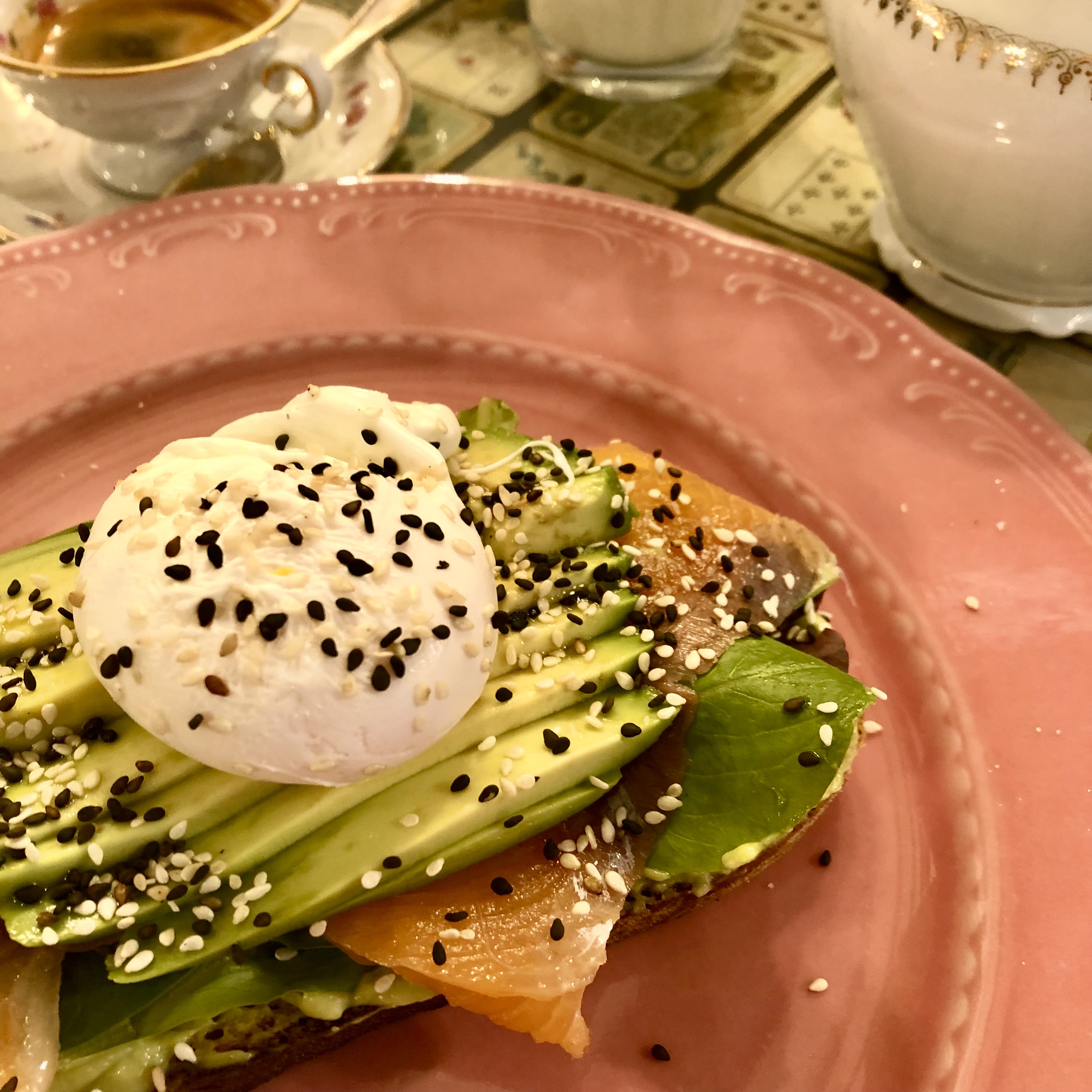
We had brunch at COROMANDEL and then took a taxi to the EXPO Village at Palazzo Centro Congressi to pick up the running bib and GOODIE BAG, with:
- Commemorative running shirt
- Backpack
- Sponge
- Magnesium and potassium sachets
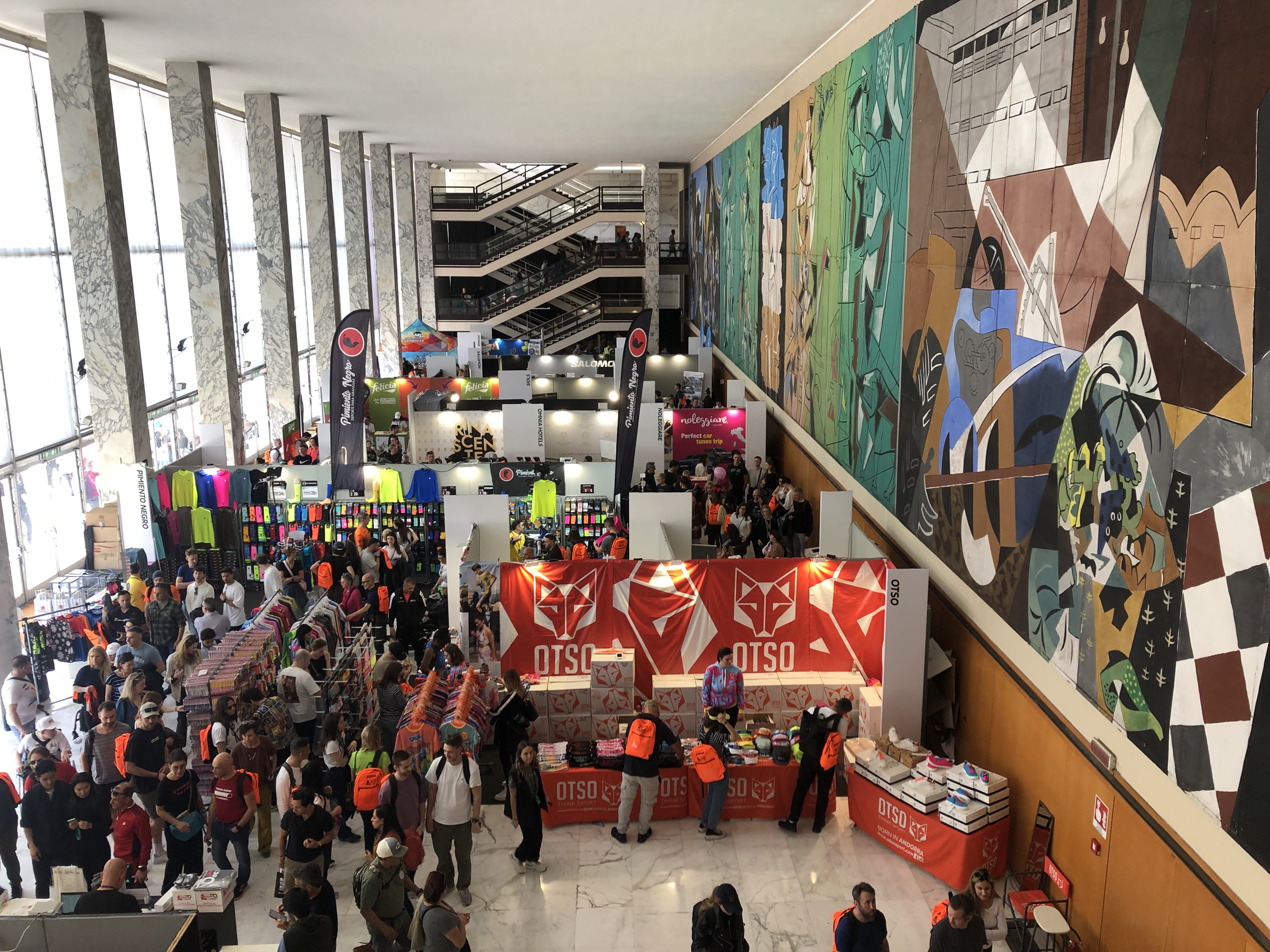
During this process you are also taken through a sort of Gladiators’ tunnel complete with sensorial effects like black and dark pink lighting and the sound of heavy breathing. Just to get you in the right mood for your big day!
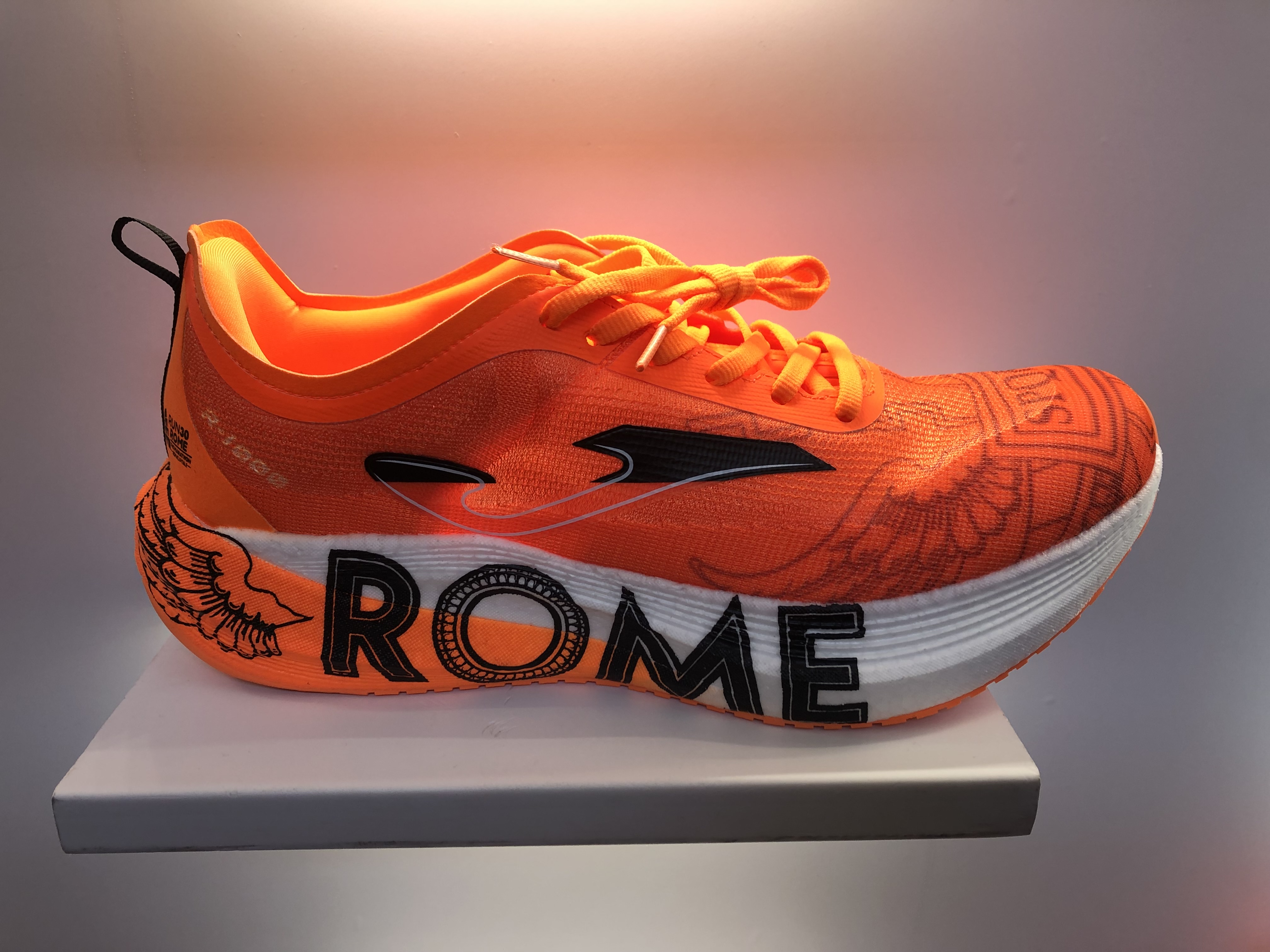
We returned to the centre on the metro from EUR Fermi via Termini to Flaminio during which we almost got pickpocketed…in the words of Mr CA: “There was a hand in my pocket which wasn’t mine!”. We kicked up a fuss and the two likely suspects (and their poker faces) left the train at the next stop. So you’ve been warned, readers. Don’t relax. Be vigilant.
What To Eat The Day Before The Race
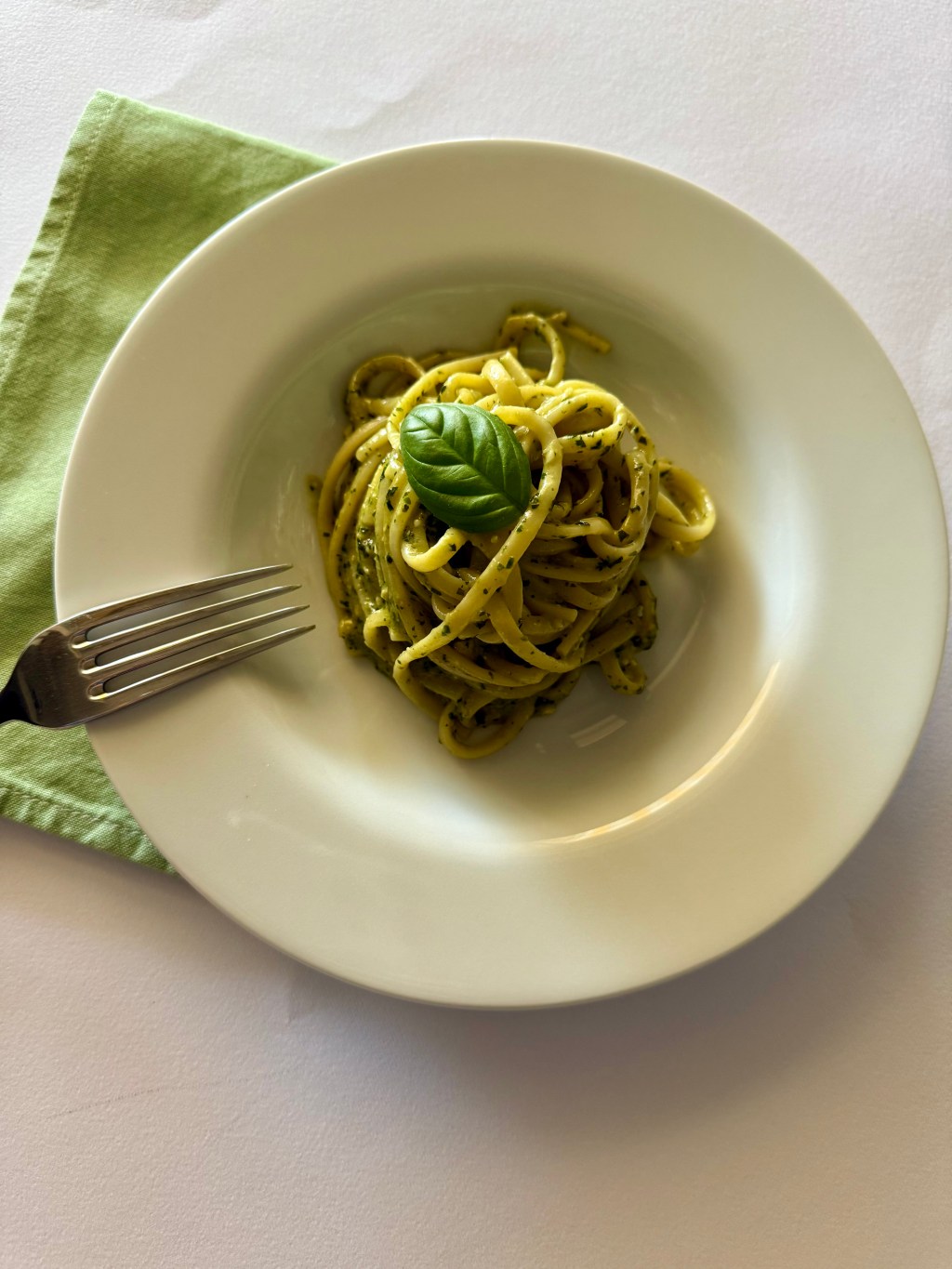
You can eat a bowl of pasta to give you energy for the race and aren’t you lucky because Rome is the home of legendary dishes like pasta alla gricia , rigatoni all’amatriciana and spaghetti al cacio e pepe.
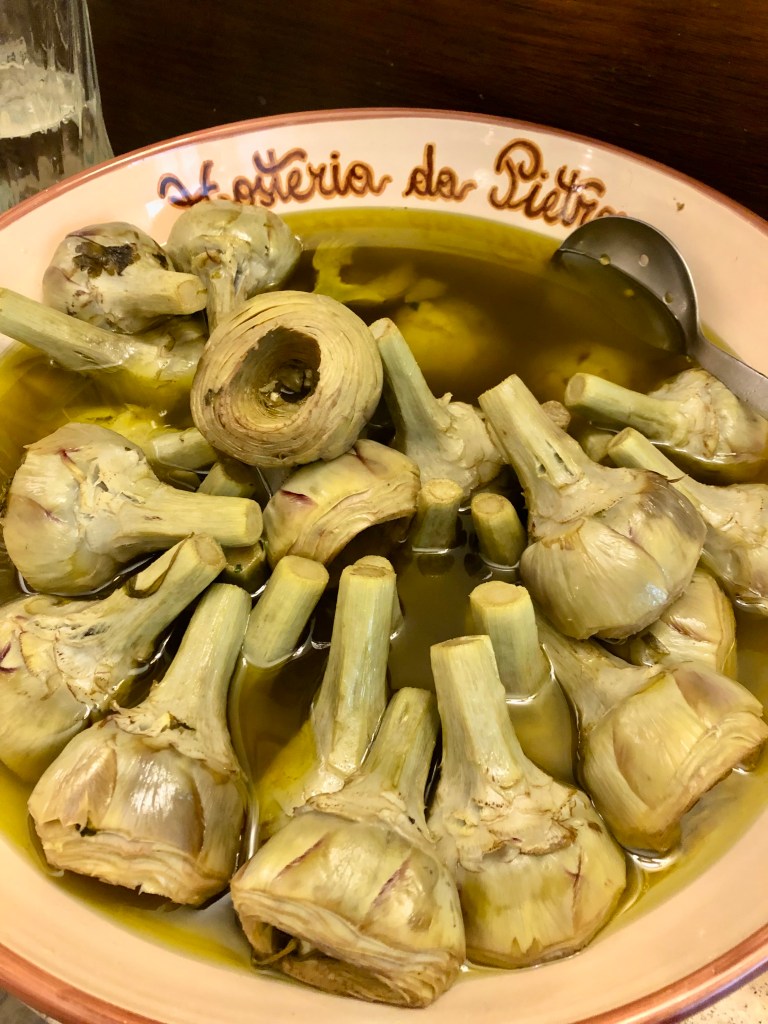
We had lunch at HOSTARIA DA PIETRO in Via di Gesù e Maria 18. On the menu were carciofi alla romana (braised artichokes which are now in season). These were followed by homemade tonnarelli cacio e pepe, a sort of spaghetti with a creamy Pecorino and pepper sauce.

Race Day
Runners would not call the Rome Marathon a fast race. To run fast and improve your PB you need long, flat roads, which is not the case in Rome. Here you have sharp corners and inclines to deal with and these will slow you down.
You will also have to deal with 6km of sanpietrino- cobblestoned streets and piazzas. These can be a challenge at the best of times, imagine during the race when it rains or managing those cobblestones and all the fallen oily orange peels at the refreshment stations!
Pre-Race Breakfast
Obviously you need to find what works for you. For the moment, Mr CA has narrowed down his choice to the following:
- pancakes with peanut butter and banana
- one hard-boiled egg
- a cup of black tea
- pineapple juice
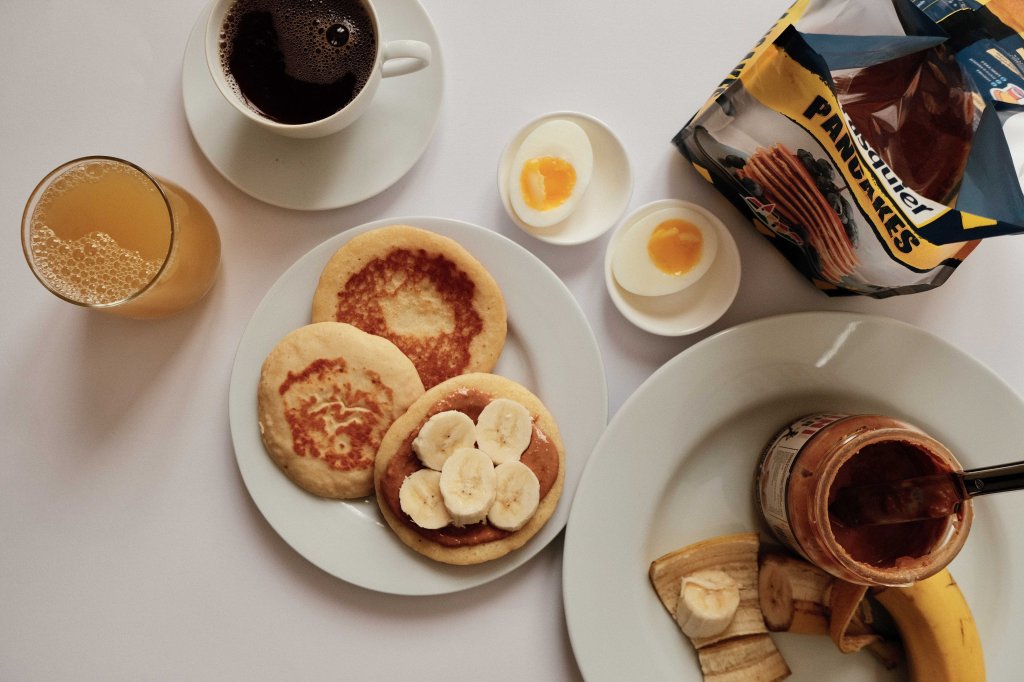
Just remember to finish eating your breakfast two hours before the race starts, so in this case, that meant by 6.30am.
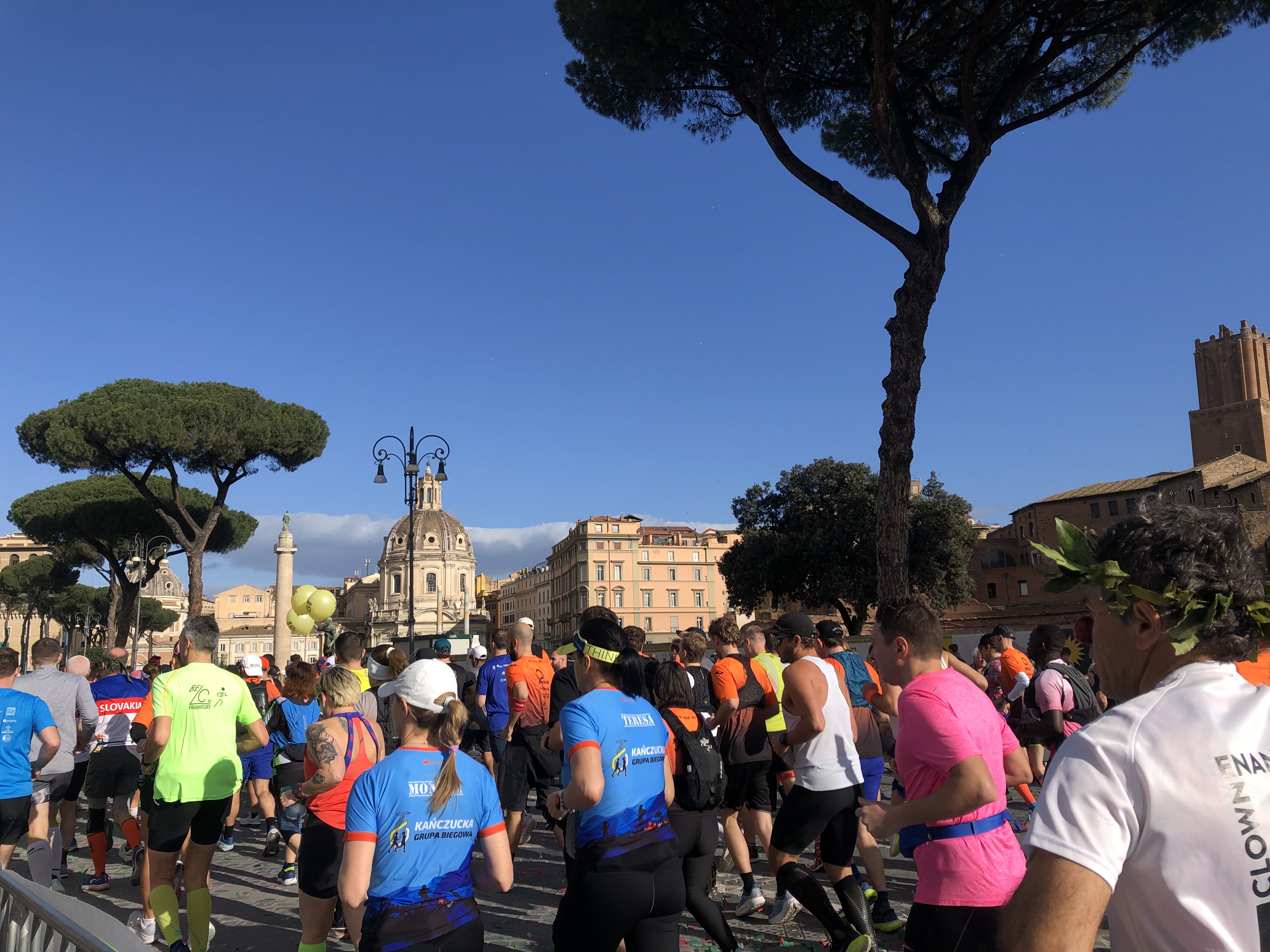
START 8:30 from the Fori Imperiali Imperial Fora- the place in Ancient Rome which was the hub of city life where the ancient Romans gathered to discuss politics and other matters. You need to be here by 7.30 am so it’s an early start.
The Race
You will pass incredible sights:
- Arco di Costantino Arch of Constantine.
- Palatino Palatine Hill, one of the seven hills surrounding Rome and the
- supposed birthplace of the city.
- Circo Massimo ancient stadium used for horse races and public shows.
- Castel d’Angelo, mausoleum of Hadrian.
- Piazza di Spagna the Spanish Steps.
Finish
You’ll finish at the Colosseum and be given your medal. This weighty medal is engraved with the acronym SPQR from the Latin phrase Senatus Populusque Romanus meaning the Senate and the Roman People. It refers to the government of the ancient Roman Republic. It is still used as an official emblem of the modern-day municipality of Rome.
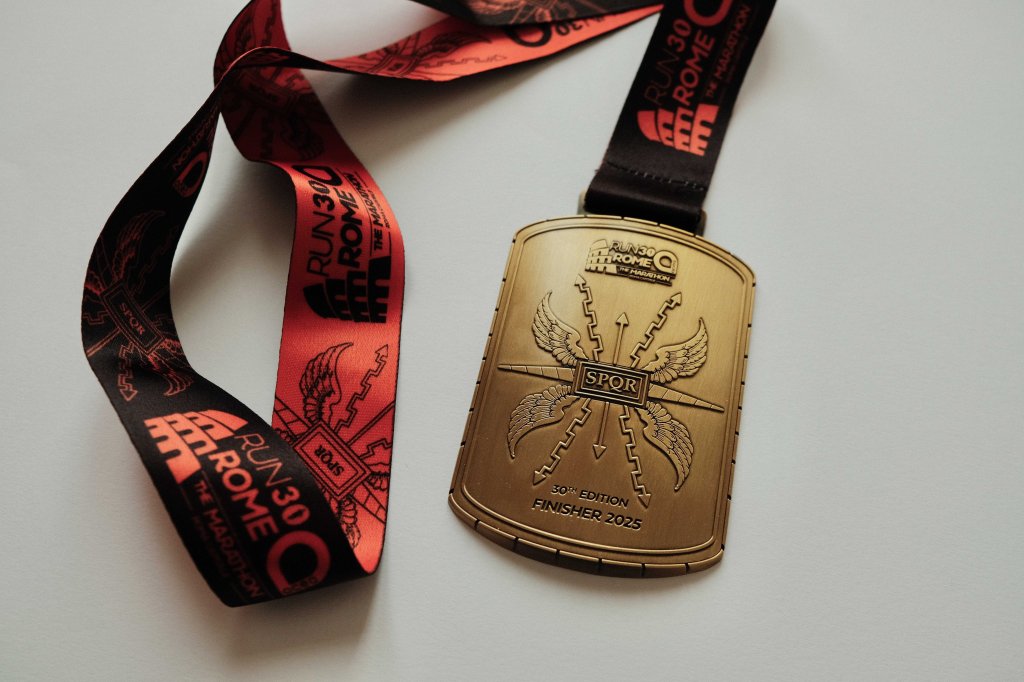
There is also the alternative meaning: Sono Pazzi Questi Romani- These Romans are Crazy! I’d say they definitely have a colourful personality.
Typical Roman Pastry
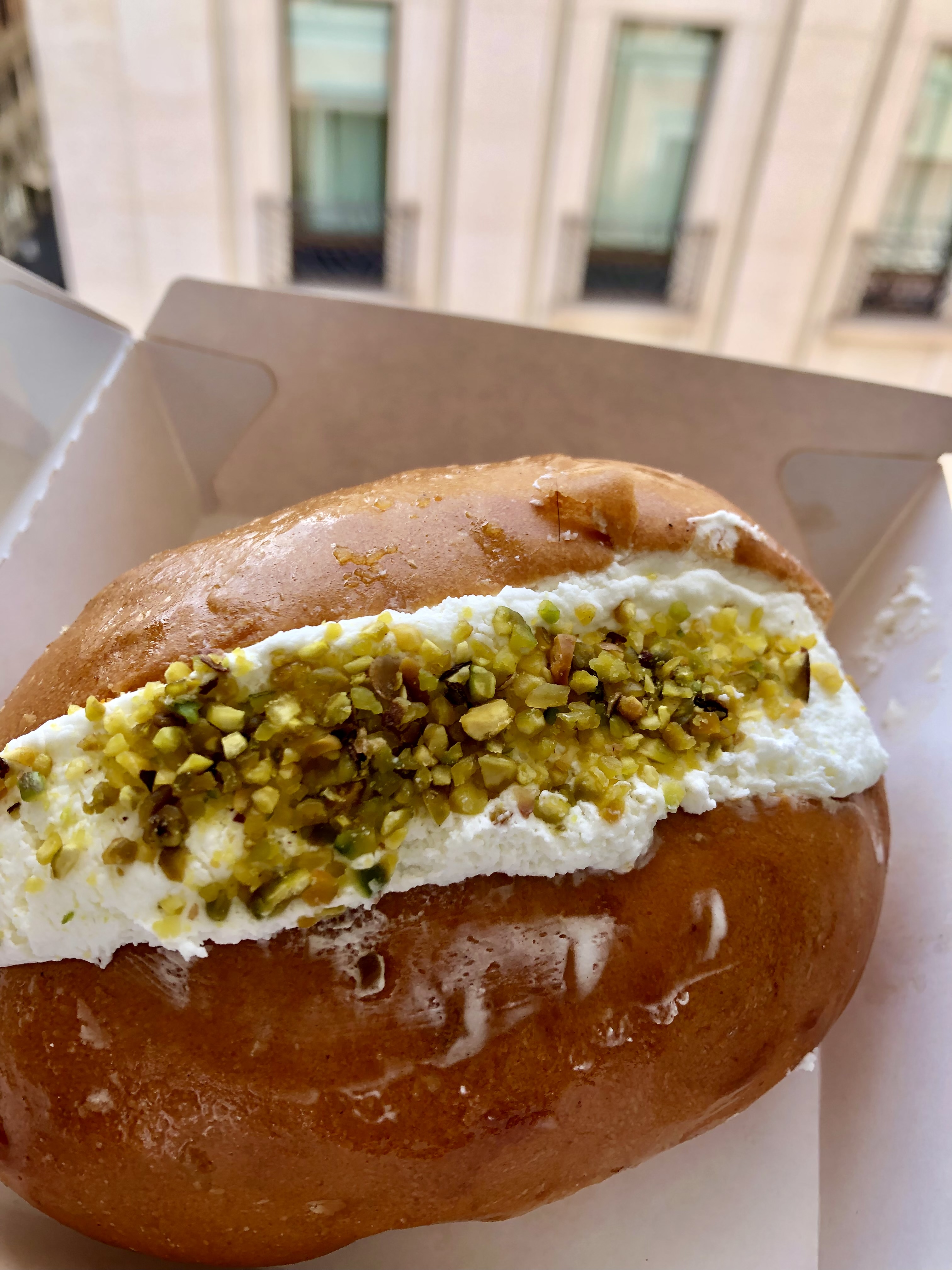
Maritozzo con la panna, a big brioche cake filled with fresh cream and topped with chopped pistachios. A pick-me-up after the race.

 casaalison
Leave a comment