
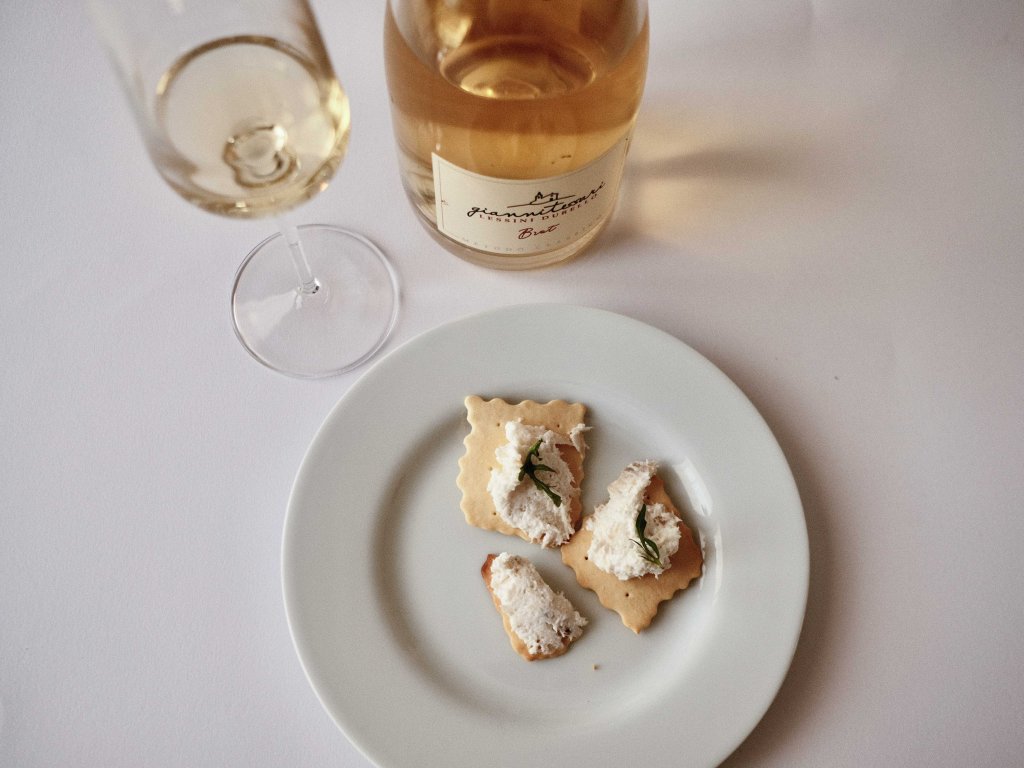
When you’re travelling you want to try the local food. That’s a given. The typical and traditional dish of Vicenza is baccalà alla vicentina: a rich and creamy dish made with stockfish (dried cod), served with polenta.
You might wonder how a Norwegian fish ended up on our plates here in Northern Italy. Especially when there so much great fish in the Italian seas. Well, there is an incredible but true story of survival behind all of this and I can’t wait to tell you!
So the story goes like this: it was 1431 when the Venetian nobleman Pietro Querini sailed from Crete in southern Europe in the merchant ship the ‘La Querina’ loaded with a cargo of Malvasia wine and spices and other goods en route for Flanders in northern Europe.
A long and arduous sea journey at the best of times.
Unfortunately, violent sea storms caused the ship to blow off course. The ship suffered damage to the rudder and the mast. The vessel drifted for days until the crew abandoned the ship on two lifeboats- only one of which survived, ending up as far away as the Lofoten Islands in Norway, in the Arctic Circle.
The sixteen survivors including Querini touched land and kept themselves alive for eleven days by feeding on limpets (yes, those things stuck on the rocks at low tide!) until at last they were spotted by some local fishermen coming from the island of Røst.
The crew were taken in by local families for around one hundred days, during which I imagine they had time to get a taste for the local dried cod fish and see how it was prepared from the fishing boat to the table.
Querini returned to Venice overland this time and brought with him not only his detailed account of his journey (now archived in the Vatican Apostolic Library in Rome), but more importantly for us, also some stockfish to whet the appetite of Francesco Foscari, at that time the Doge of the Venetian Republic.
Of course the stockfish was a great success: easy to transport and take on long journeys across land and sea; full of nutritious proteins; a tasty dish that could be eaten on those many meat-free days which were required by the Catholic Church: fish on Fridays.
But what is stockfish?
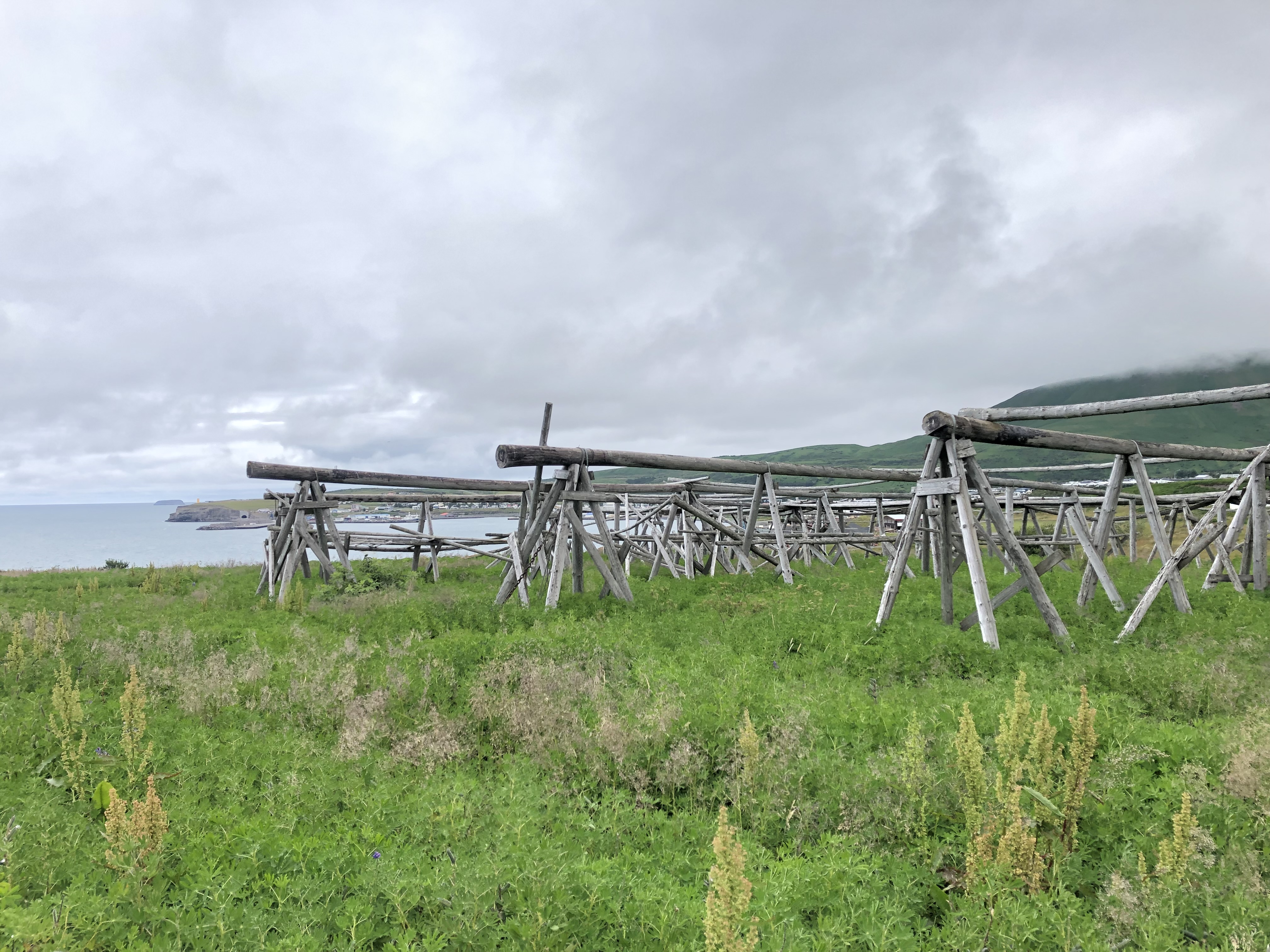
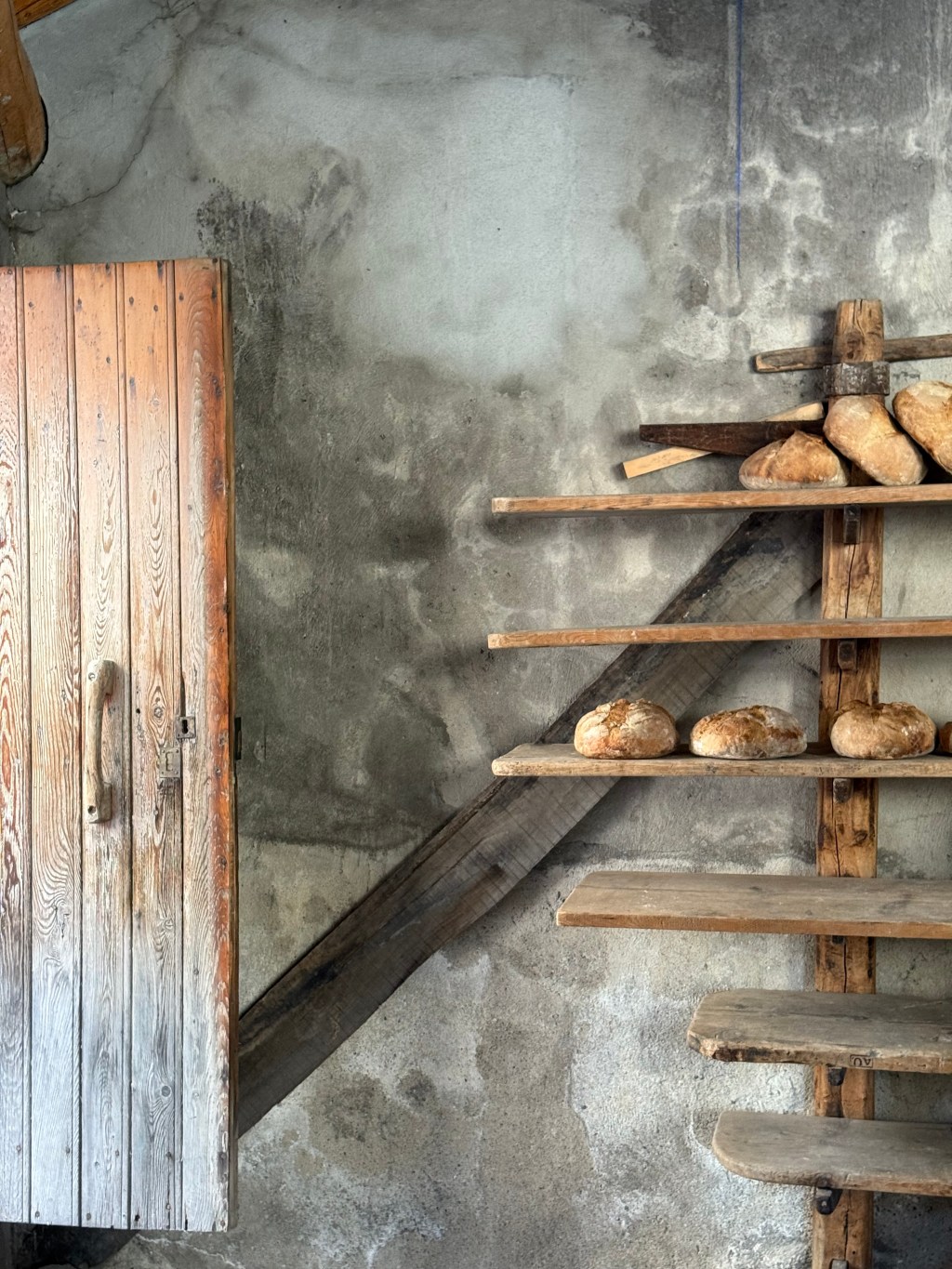
Arctic cod, caught just outside the Lofoten Islands and preserved by drying it outside in the air on wooden racks- as they have been doing since the time of the Vikings.
How do they dry it?
The drying process begins in early March and takes around 3 months. Here is a step-by-step process:
- The head and guts are removed from the fish
- The fish are hung in pairs from the tail on a wooden rack in the open air
- Over the next three months, the cold and the pure air of Norway will dry out the fish completely- an ancient and clean and green process.
- At this point the fish will be hard and dry and high in nutrients like protein, B vitamins, calcium, iron and Omega 3.
And how can we eat it?
The stockfish I(stoccafisso) in the local shops comes packed in long plastic packets. It feels as hard as a piece of wood at this point and so completely inedible.
If you want to prepare it yourself you’ll need to soak it for 3 days to restore its texture and then leave it for a whole night to dry.
As I can’t trust myself to remember to do all that and go to work and live my regular life, I bought two ready-made and excellent dishes from the delicatessen counter of my local supermarket.
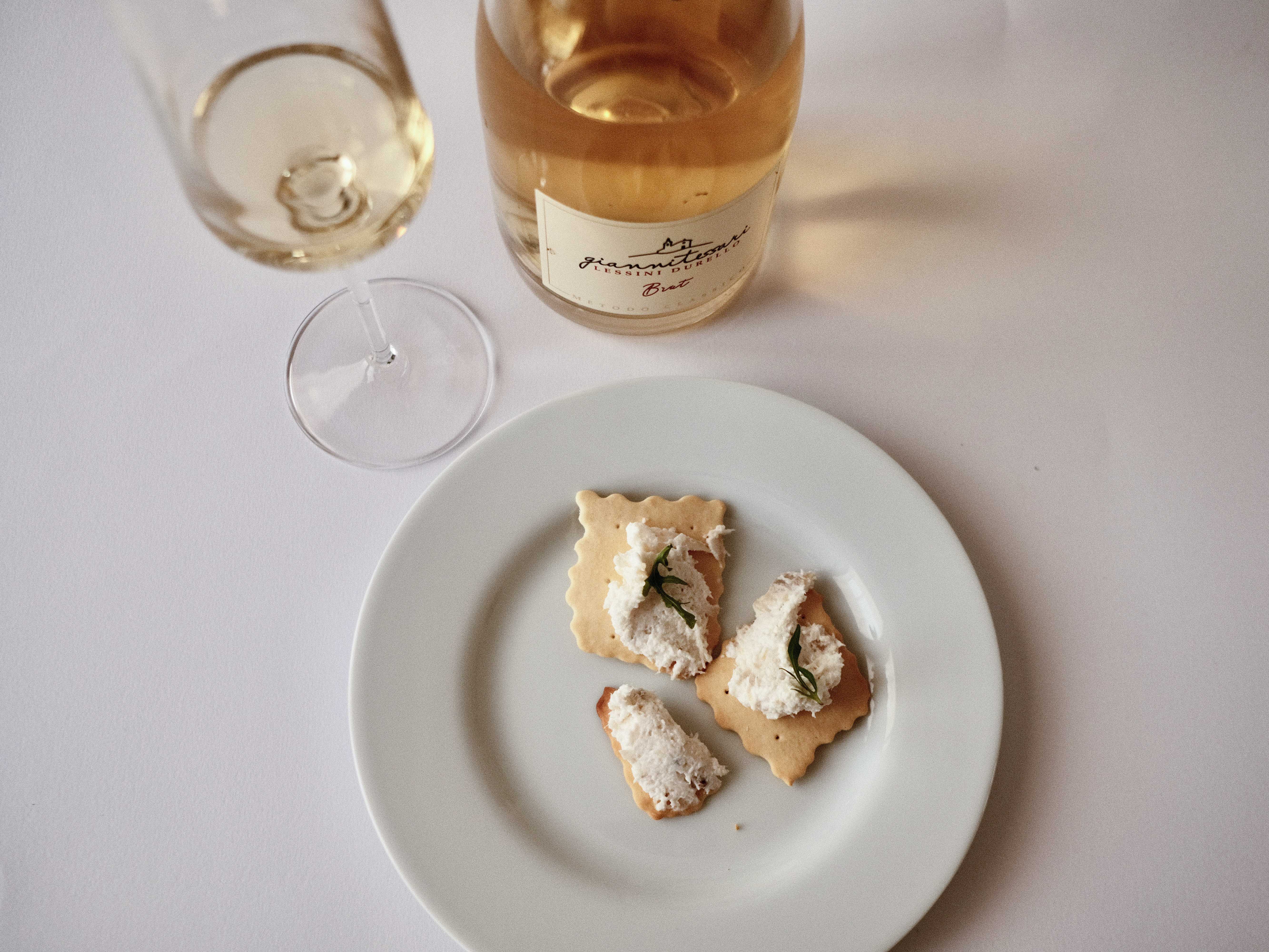
Baccalà mantecato: creamed stockfish to serve as an appetiser with a flute of Durello wine.
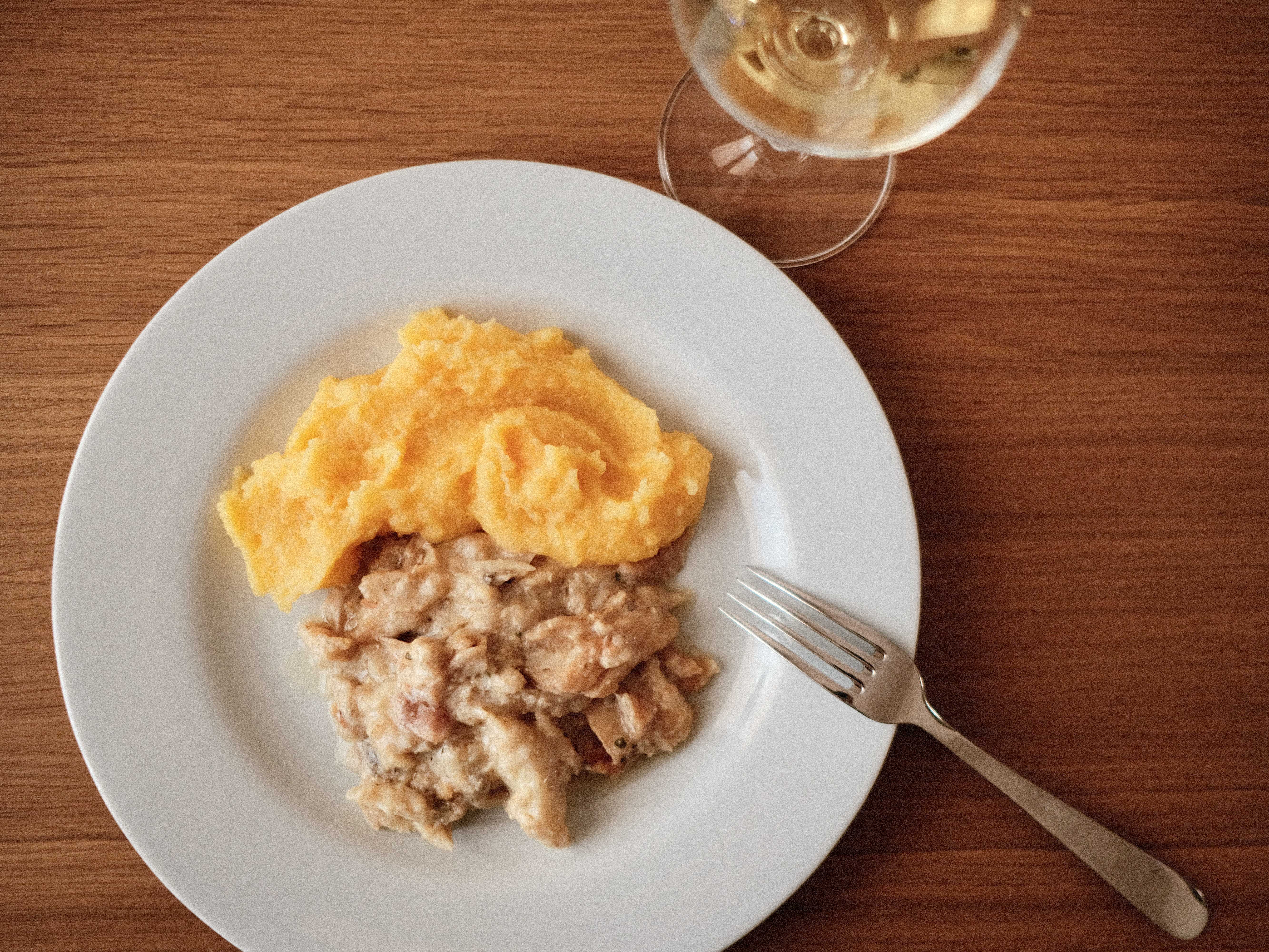
Baccalà alla vicentina: creamy stockfish cooked with onions, garlic, salt and pepper and served with polenta (boiled cornmeal).
Final thoughts: this is more than an incredible story of a local dish. It’s also a testimony to the caring spirit of the Norwegians who took in the survivors of the shipwreck; and of the cultural exchange which has lasted for hundreds of years and continues today in every mouthful.

 casaalison
Leave a comment