

When I was an undergraduate in the UK, I had some friends from the faculty of architecture who went on a Field Trip to a town in Italy that nobody else had ever heard of: Vicenza.
At the time, the only cities I imagined visiting in Italy one day were Venice, Florence, and Rome. The most popular and touristy ones.
How funny, then, that I should end up living in Vicenza and thinking of it as my city and writing blogs about it for you and other visitors!
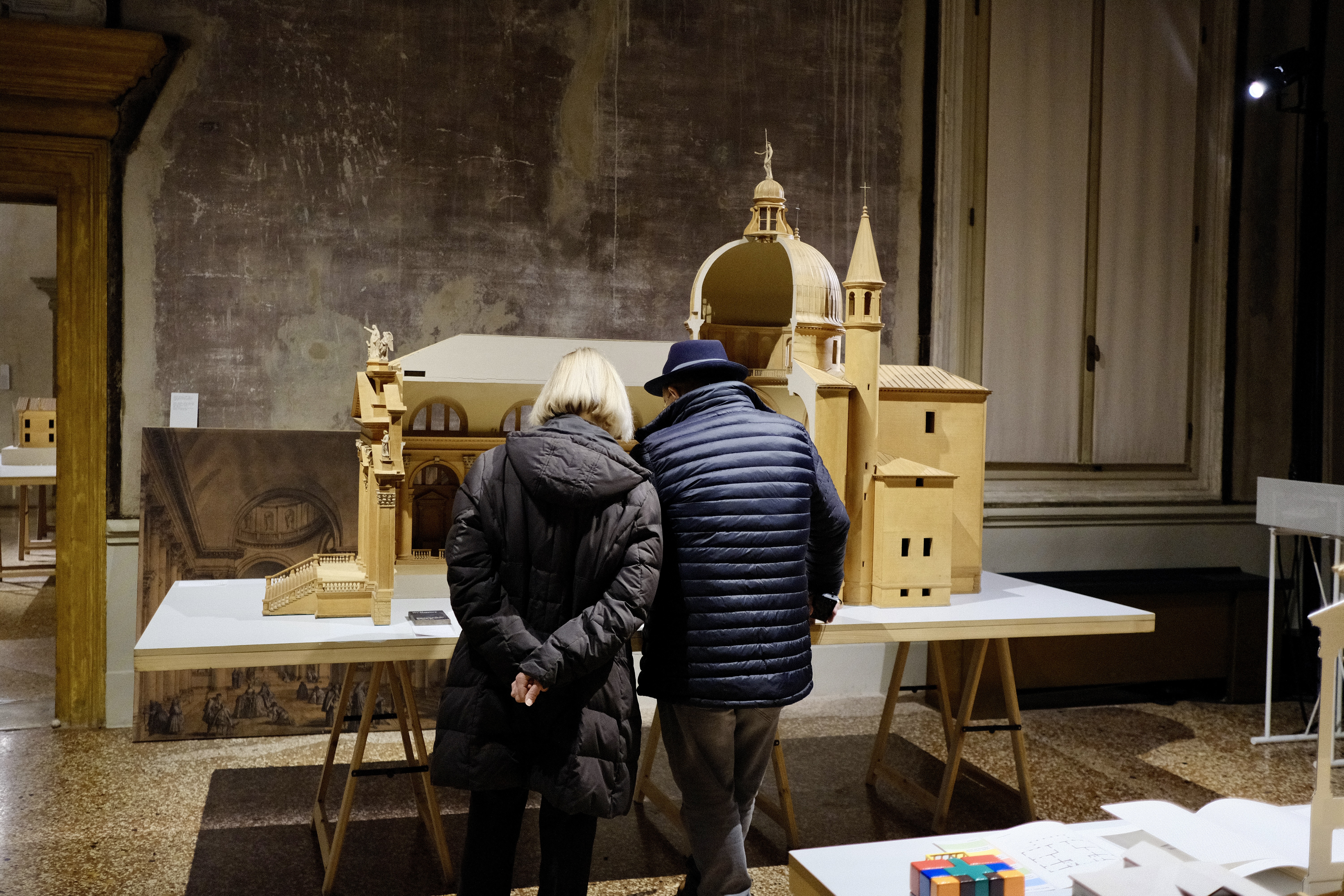
Anyway, back to the Field Trip. The architects went to Vicenza to see the building works of the Renaissance architect Andrea Palladio. He designed churches, public buildings, and family houses in Vicenza and country villas in the province of Vicenza.
Even if you don’t know him, you will certainly have seen buildings, also in other parts of the world, built in the style that he loved and that we now call Palladian.
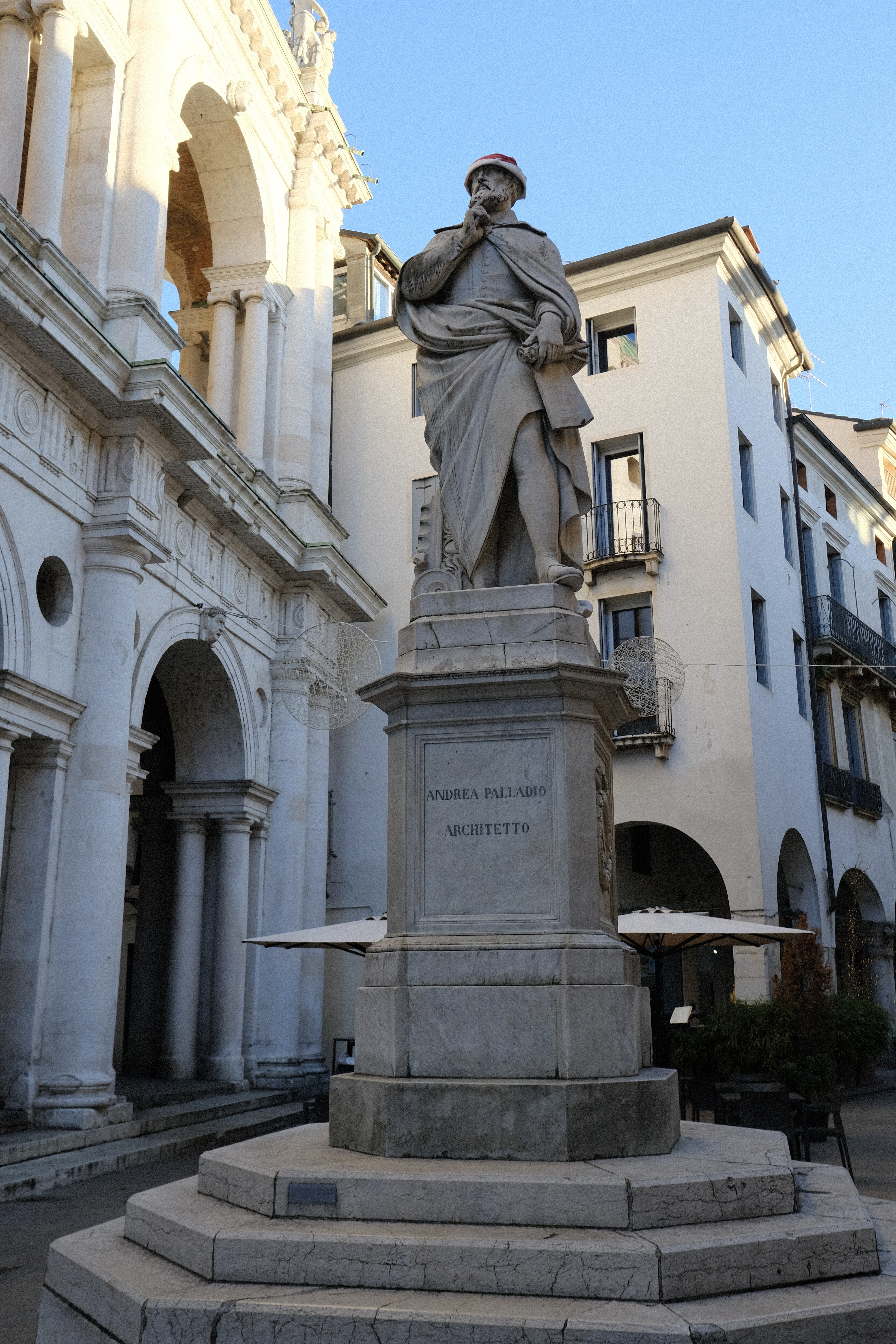
Think of magnificent buildings of smooth or carved stone with classical features like columns and pediments. A style which is timeless and beautiful. Elegant and symmetrical design.
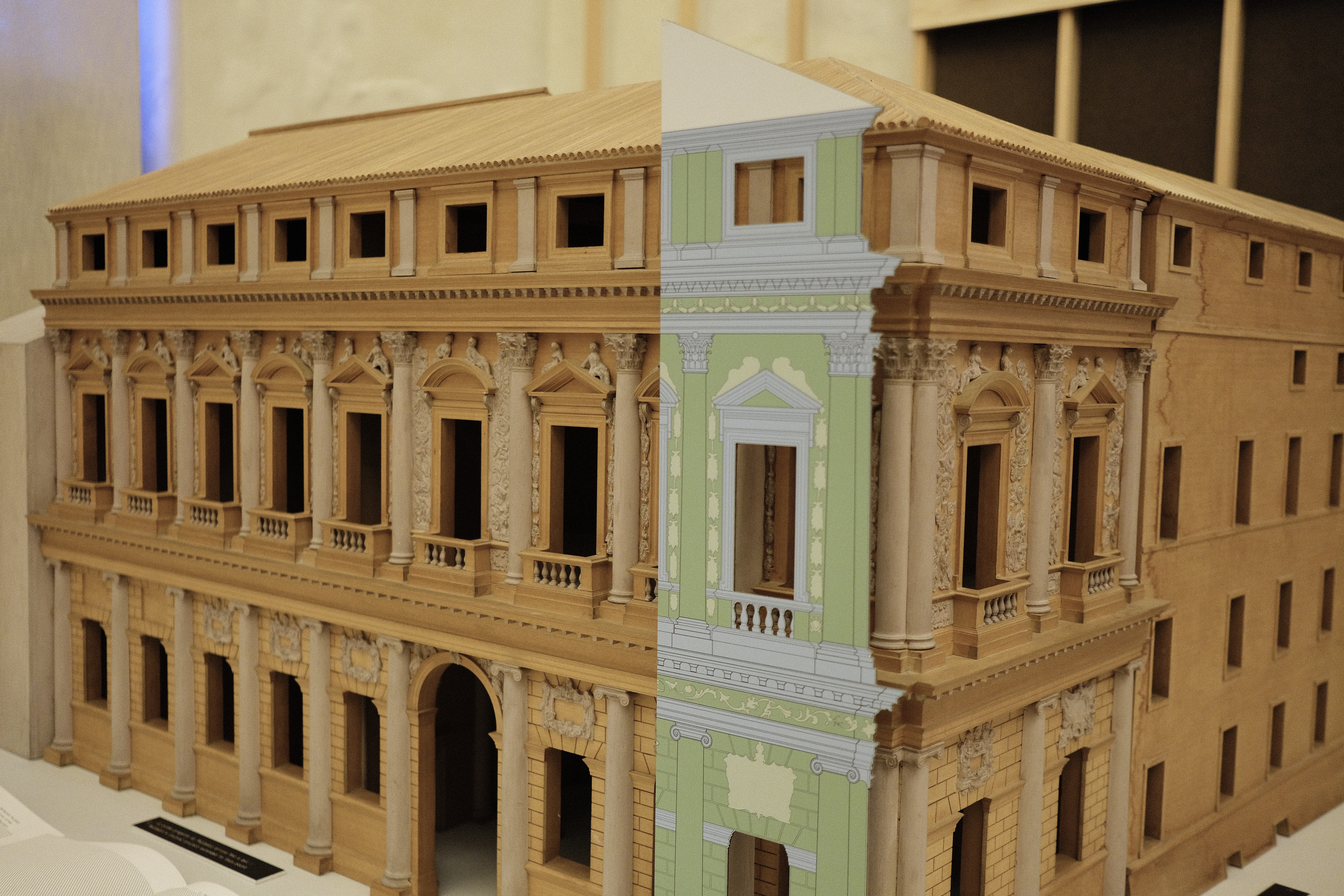
If you would like to learn more about his story, then come to the Palladio Museum. Whether you’re an architectural expert or not, you can enjoy this museum as there are plenty of visuals and models to bring his story and his legacy to life.
PALAZZO BARBARANO
Palladio Museum is inside Palazzo Barbarano at 11, Contrà Porti in the historical city centre of Vicenza.
This building is one of the many designed by Palladio but the only one that was finished in his lifetime. It was made between 1570 and 1575 for the the local nobleman Montano Barbarano.
THE MULBERRY TREE
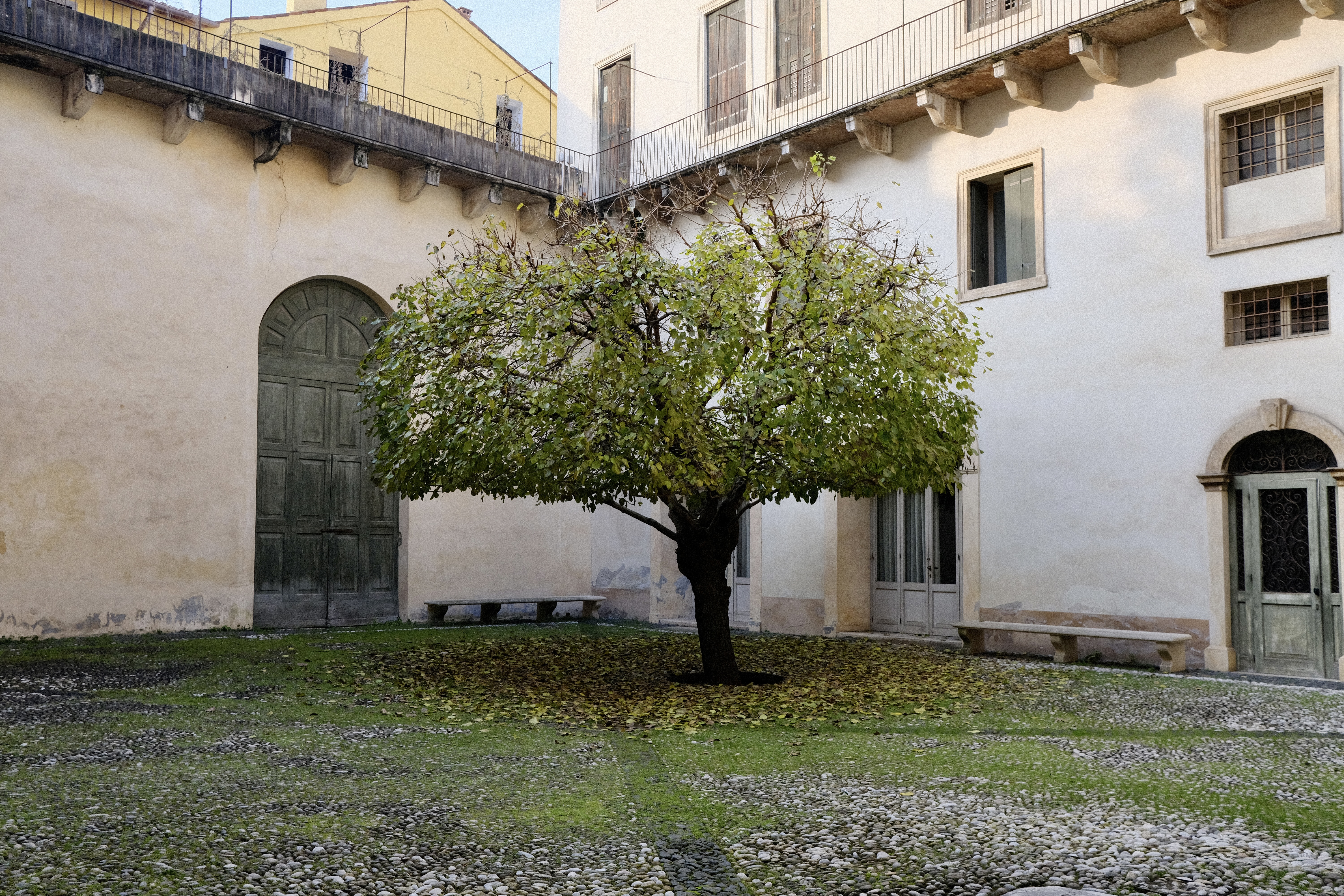
The visit begins inside the courtyard where there is a wonderful mulberry tree. The diet of silkworms is based on mulberry leaves.
This tree wasn’t planted here by chance. It’s a reminder that during the Renaissance, Vicenza was one of the top European producers of silk– and the wealth created by that industry would fund Vicenza’s development from a medical city to a Renaissance jewel.
THE STAIRS
As you go up the stairs to the upper rooms, you can read the life of Palladio from the script on the wall showing important dates and events.
Imagine you were to do that for your own life? What would you include in your personal timeline? Who inspired you or helped you along your way?
Palladio had talent of his own, but he was also fortunate to have mentors who guided him in the right direction and introduced him to a network of important people.
SECRET TIEPOLO
If you’ve ever read the book or seen the film ‘Monuments Men’, then you’ll know what was involved to save precious artworks from destruction during the Second World War, with citizens and the army working together to salvage and hide what they could.
Well this room is that movie brought to life. You can watch a short video showing the bombings and destruction that took place in Vicenza during the war and see the efforts made to literally tear down precious items from the walls and put them in crates and store them away from sight.
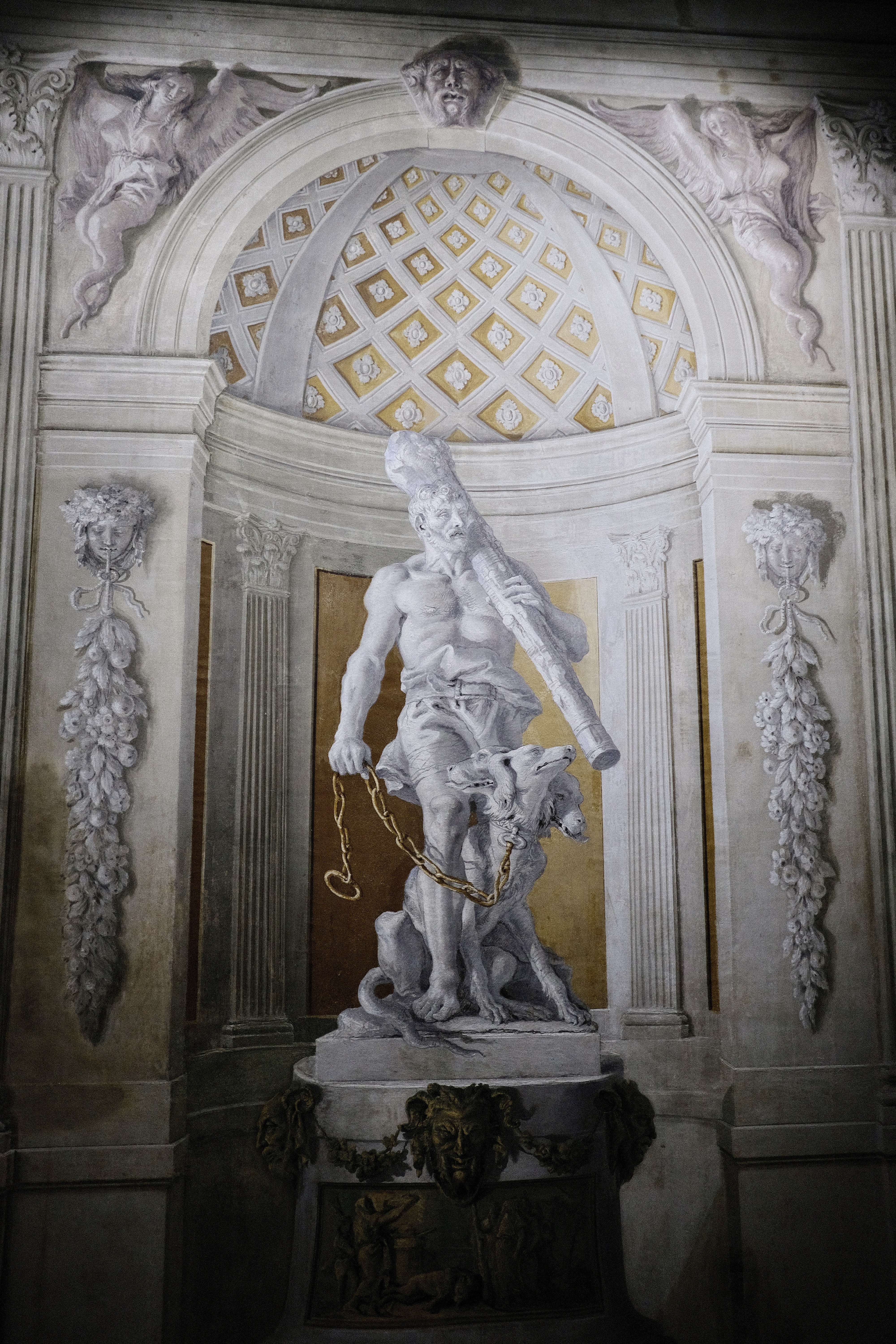
In this room there here are exquisite frescoes by the Venetian artist Giandomenico TIEPOLO which were kept hidden and safe for years until the owners brought them to the museum for a wider public to enjoy.
My favourite is the niche containing the statue of Hercules.
THE PAPER ROOM
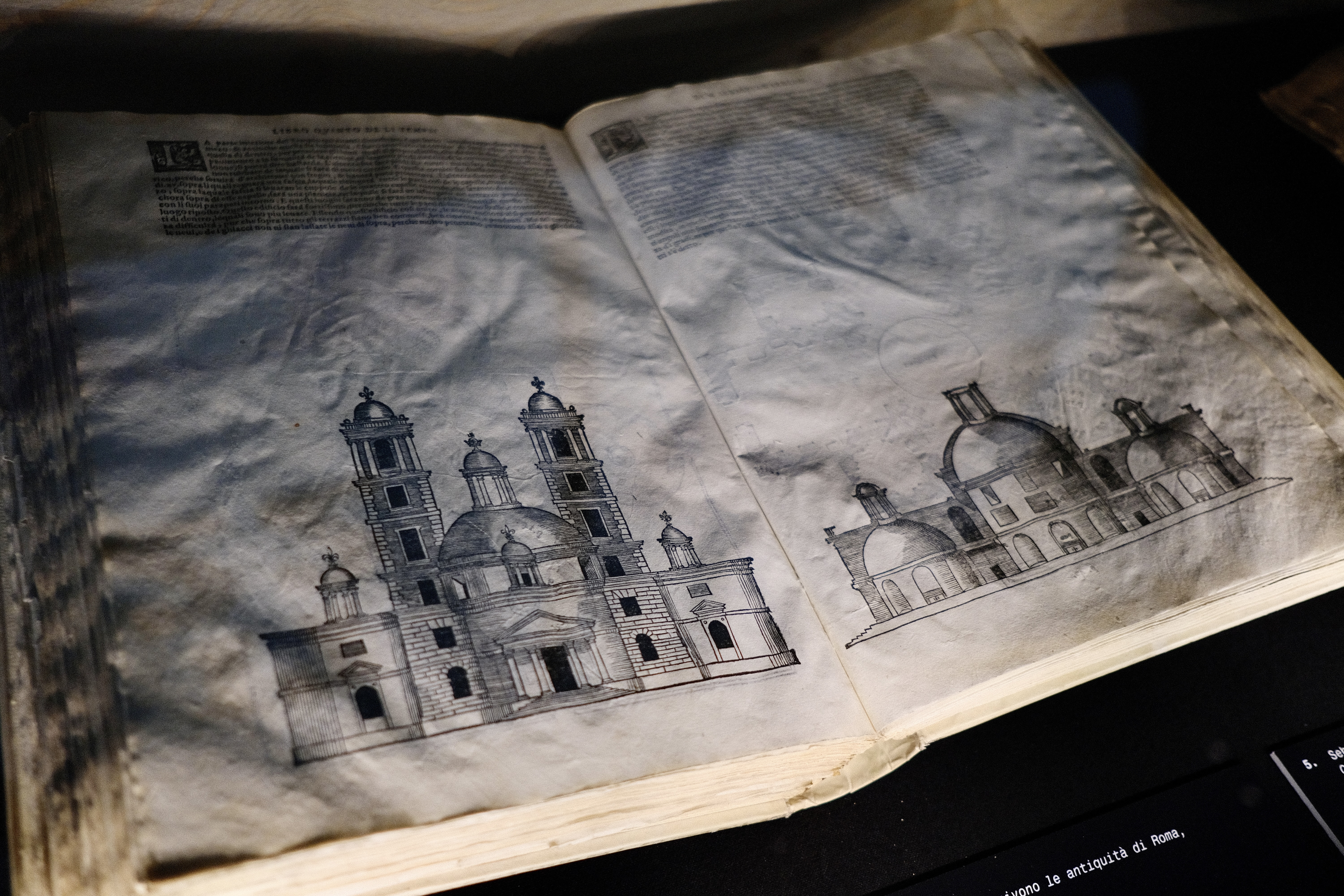
This room is all about books: as items that hold knowledge and help form ideas and creativity.
Palladio didn’t go to school. He began his career in the workshop of a stone mason but he had access to reading.
There is a portrait here of Gian Giorgio TRISSINO, a great Renaissance intellectual who spotted Palladio’s talent.
Palladio went to write four books about Architecture.
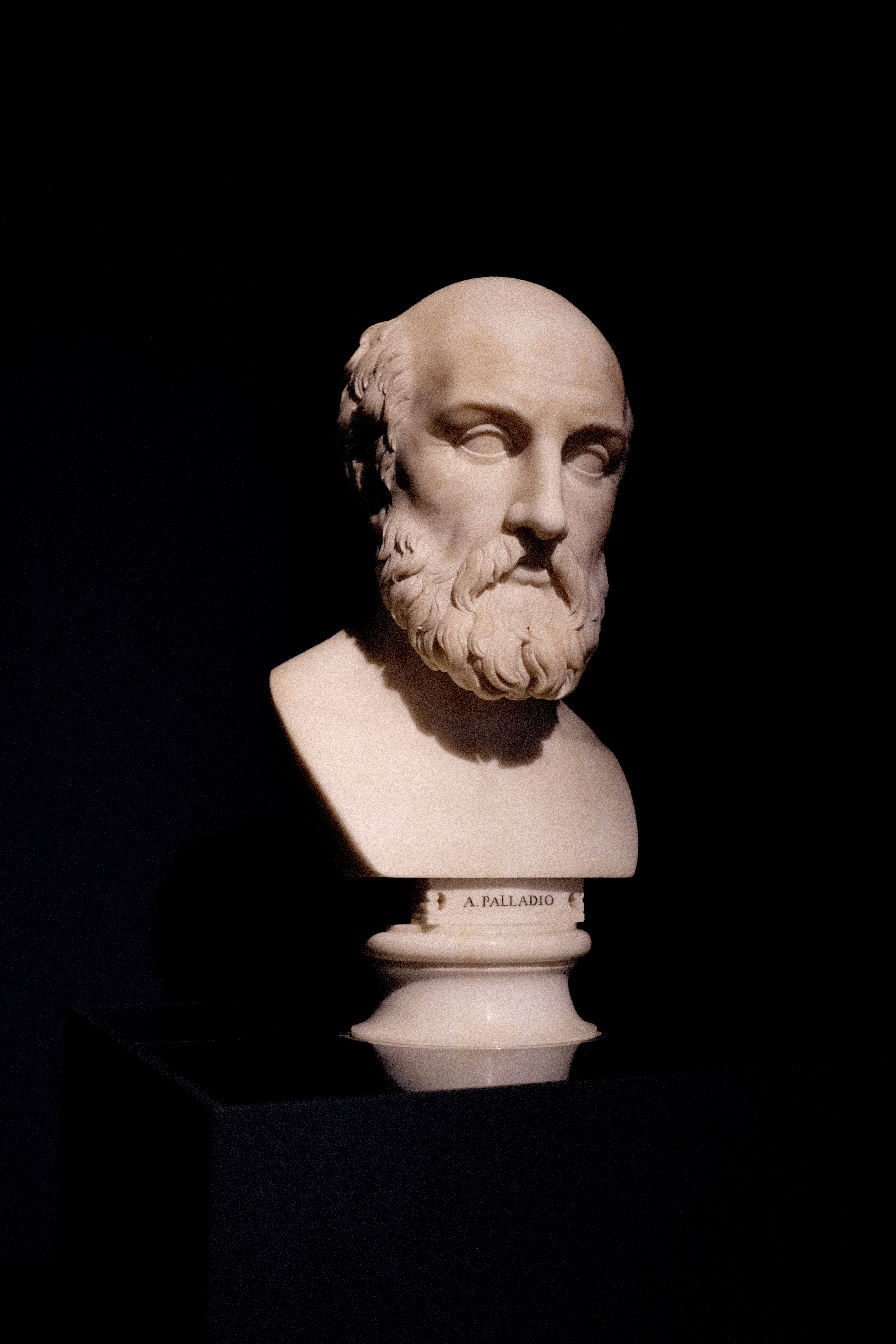
Inside a black-painted niche, you can see a bust of Palladio as an older man and looking every inch the learned and important man.
The beautiful sugar-white bust was made by a student of the sculptor CANOVA.
THE STONE ROOM
This next room is about taking those Ideas we imagined in the Paper Room and making them real with solid building materials.
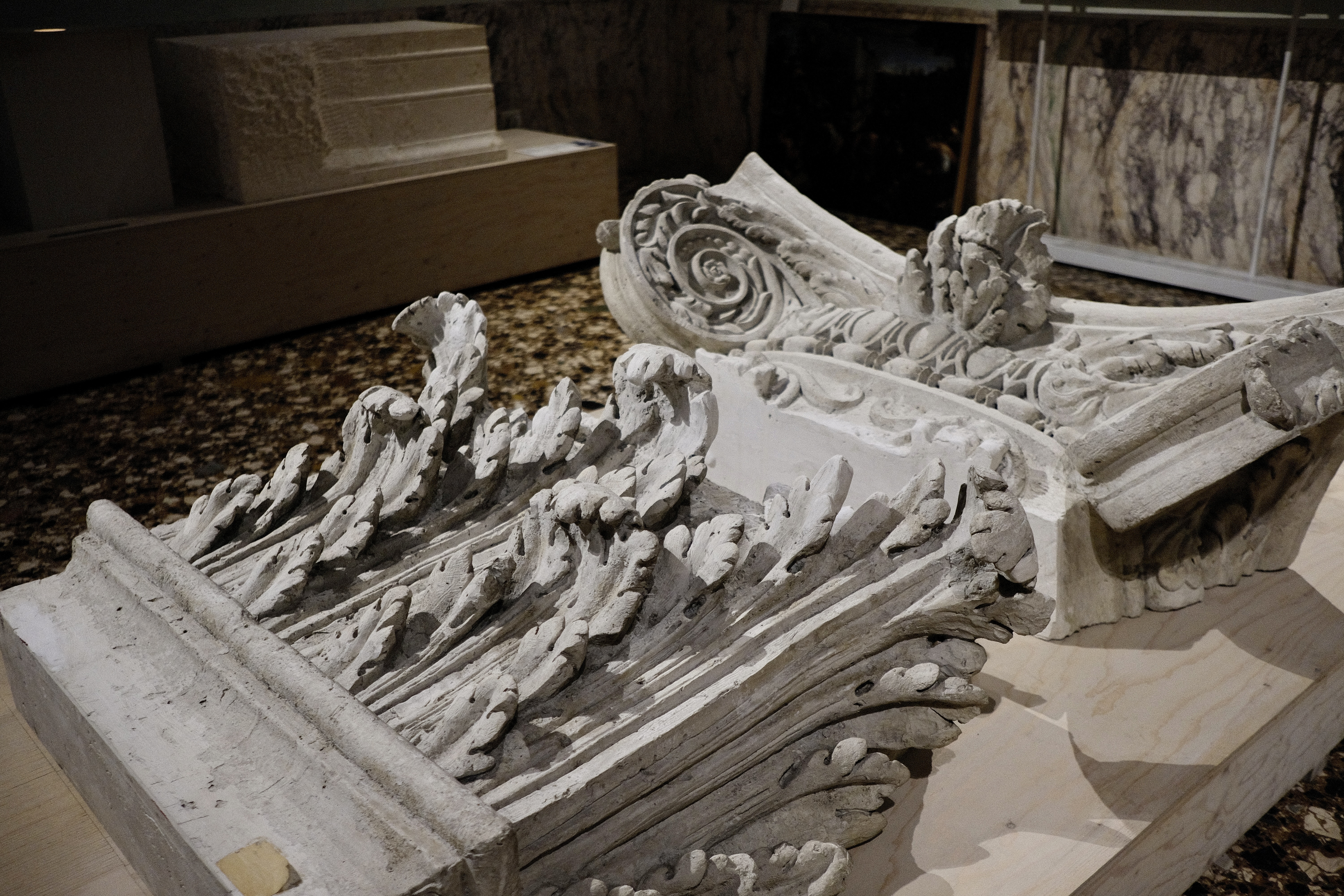
On the floor there is a cast of a Corinthian capital (the fancy top that sits on a column). You can see all the details of the curling acanthus leaves and wonder how someone could ever carve this from solid stone.
The stone in use were Vicenza stone from the local quarries in the Berici Hills and Istria Stone from the peninsula of the same name.
As stone was tough to extract and expensive to transport, it was definitely the luxury building material of its day.
THE SILK ROOM
In this room you can see another luxury material: silk.
There are beautiful yellow and red silk drapes on the walls and a small glass case containing models of silkworms and mulberry leaves.
During the Renaissance, Vicenza became one of the most important centres in Europe for the production of silk.
The wealth that was created went towards the renovation of the city’s medieval buildings and construction of new civic buildings and private houses in the Palladian style.
THE GREAT HALL
A huge and dramatic room created to show case the deeds of the Barbarano family.
Look up at the amazingly ornate ceiling and frieze showing the triumphs of the Roman general SCIPIO, who defeated Hannibal’s army, and was considered a Renaissance ideal.
Montano himself is inside one of the shells dressed as a Roman emperor
ROOM OF GRAIN
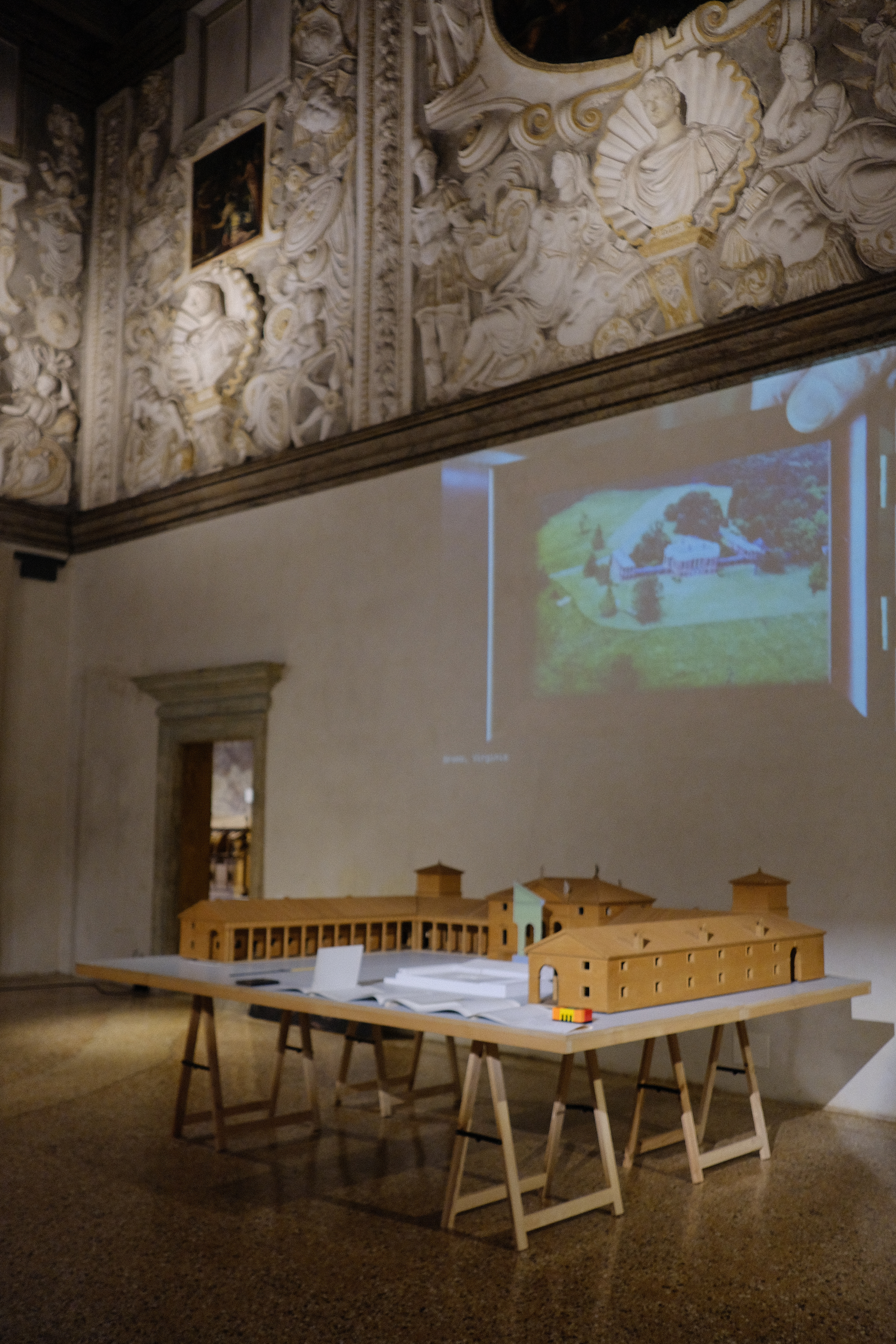
The countryside used to be a swampy and dangerous place but political stability during the 1400 and 1500s allowed for creation of country estates (villas) and better agricultural practices.
Palladio designed the country estate as a complex of agricultural buildings like the granary, storehouses, stables and dovecots and houses for the workers.
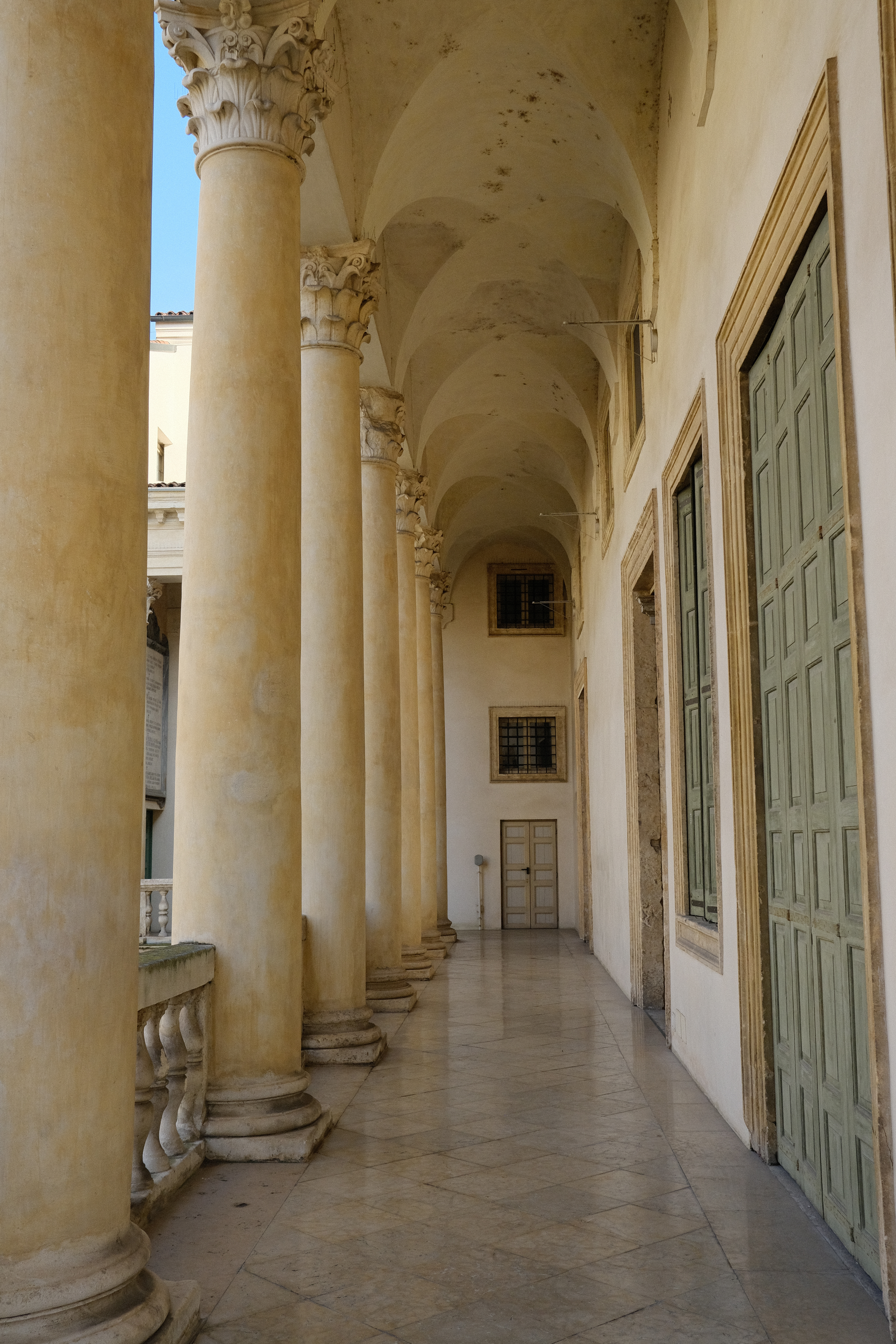
There was also with a house for the landowner, complete with covered arcades to access other parts of the estate while being protected from too much sun or too much rain when he came to the estate to oversee the sowing and harvest, for example.
THE VENICE ROOM / THE COLOUR ROOM
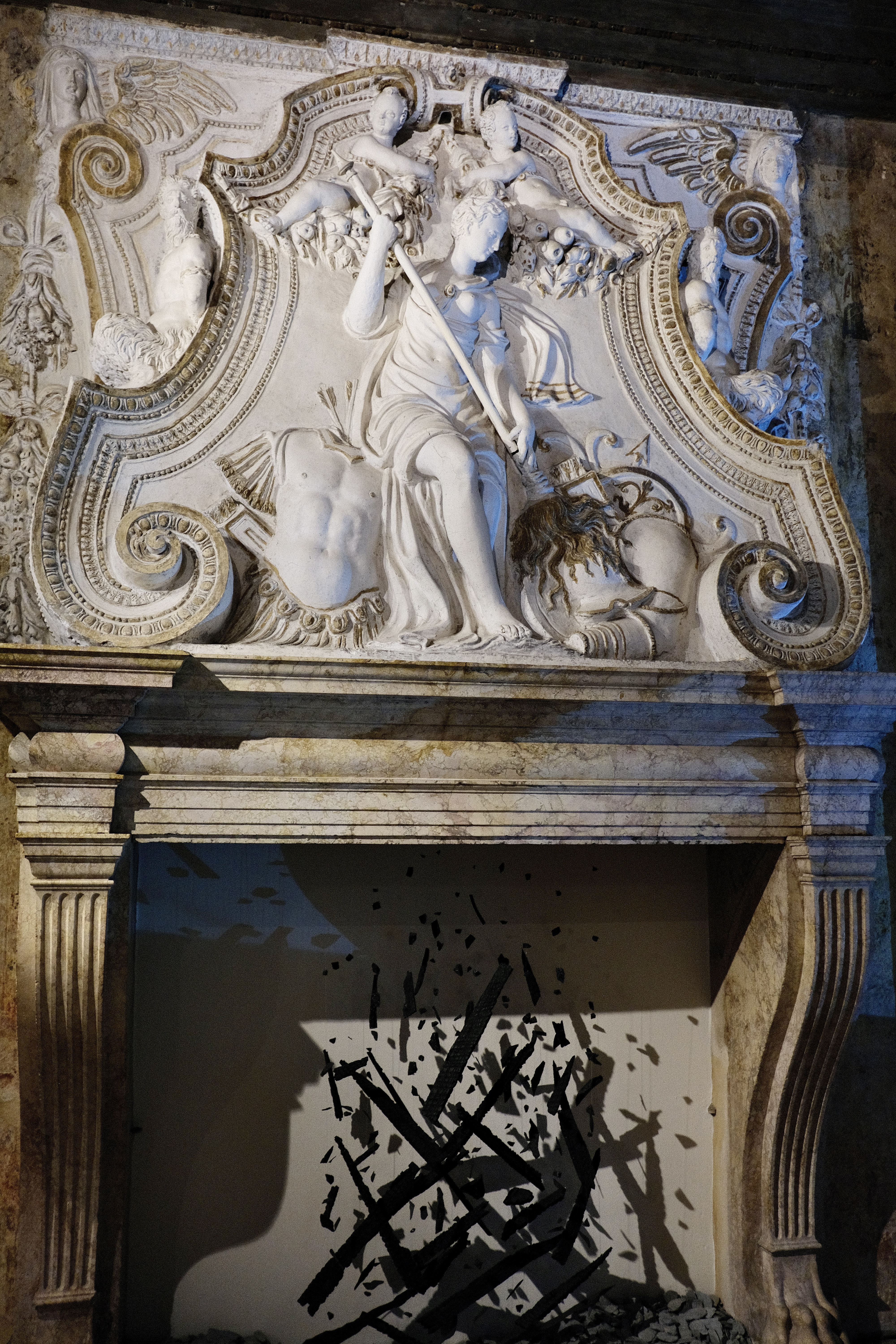
Part of the private apartment of Montano Barbarano and unlike the Great Hall, this room focuses on peaceful subjects.
The highly decorated fireplace by Lorenzo RUBINI shows Peace as a woman burning weapons of war while above her, two cute chubby cherubs sit on festoons of fruit.
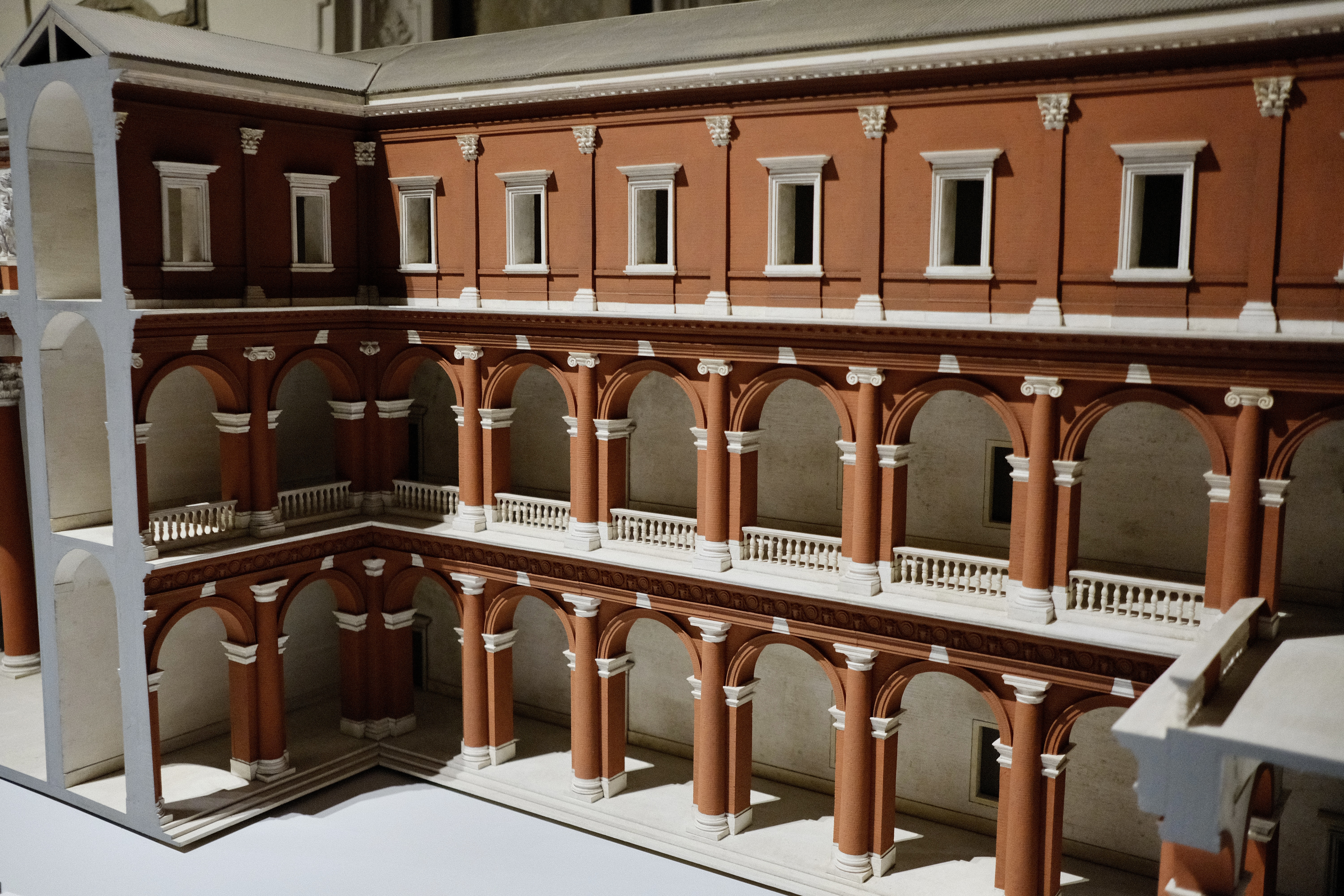
The second name of the room refers to the fact that Palladio’s work wasn’t always monochromatic as you might think.
In fact he used red and white contrasts to highlight architectural features.
CONCLUSION
- you can enjoy this museum by just taking in the beautiful things around you;
- the audio guide is helpful, not too long and not too academic;
- every now and then, unless you’re an expert, you will have to check references on your phone to architectural styes, words like stucco, fresco, barchesse…
- the list goes on and if you like learning, you’ll love this museum.
 casaalison
Leave a comment